Introduction to dynamic loading and signal processing
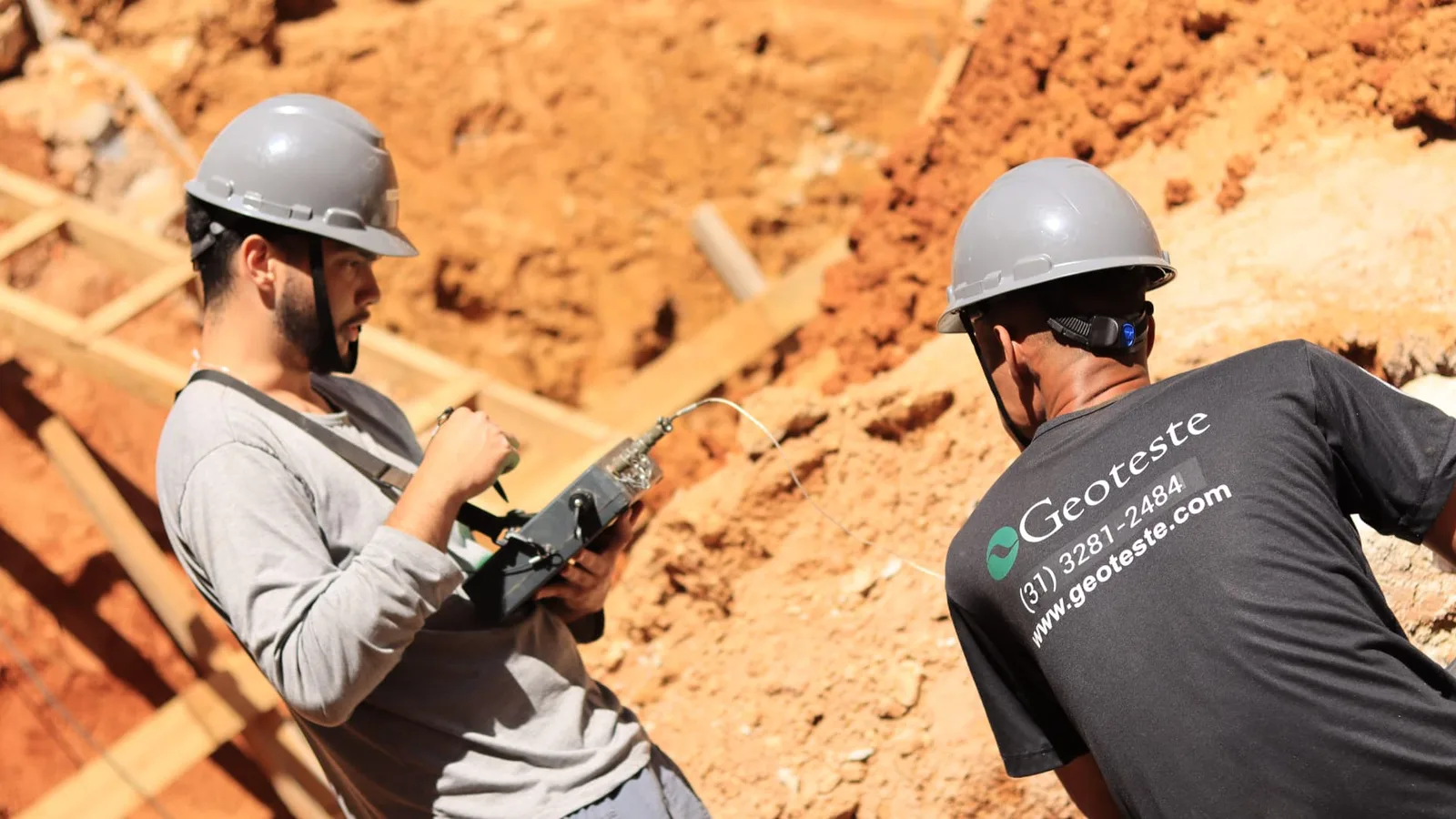
High strain dynamic loading test, commonly performed with equipment known by the acronym PDA, is a widely applied method in geotechnical engineering for the evaluation of deep foundations. During the execution of this test, sensors installed at the pile head record the strain and acceleration waves generated by the impact of a ram. However, the raw data obtained in the field represent the global dynamic response of the soil-pile system under the action of the applied energy. To transform these records into precise information about geotechnical behavior, an advanced stage of numerical processing is necessary, in which the CAPWAP algorithm plays a central role.
What CAPWAP is and how it works
The acronym CAPWAP refers to a computational analysis procedure based on the one-dimensional wave equation theory, developed to interpret the force and velocity signals measured during the dynamic test. The method employs a numerical model that simulates the behavior of the pile and surrounding soil subjected to impact. The iterative process compares the velocity curve calculated by the model with the actual velocity curve measured in the field using the PDA. Through successive adjustments to the static soil resistance parameters, the program refines the model until the agreement between measured and calculated signals reaches an acceptable level of technical rigor.
The role of CAPWAP in signal interpretation and resistance separation
One of the biggest challenges in interpreting dynamic tests is distinguishing between the resistance components that make up the foundation's load capacity. The PDA records the total force mobilized at the moment of impact, which includes both static resistance and the viscous or damped dynamic component. CAPWAP acts directly in the decomposition of this total response, allowing for a more precise estimation of the pile's resistance components, which are divided into:
- Toe resistance mobilized at the moment of impact.
- Lateral resistance distributed along the different shafts of the foundation element.
- Damping and elasticity parameters associated with the soil and the pile material.
This ability to separate lateral resistance from toe resistance differentiates advanced analysis by numerical modeling from results obtained purely empirically or immediately in the field.
What is measured, calculated, and estimated in the process
To maintain scientific rigor in foundation engineering, it is fundamental to clearly distinguish the stages that make up the analytical procedure:
- Measured: The force and velocity quantities directly recorded by the PDA's accelerometers and strain gauges during impact.
- Calculated: Wave responses and displacements obtained through mathematical integrations and one-dimensional analyses.
- Estimated: The distribution of lateral and toe load capacity, as well as static resistance parameters obtained through iterative numerical calibration of CAPWAP.
Therefore, the final static resistance generated by processing should not be treated as a direct and isolated measurement, but rather as the result of a sophisticated interpretive model.
Applicable technical standards and normative guidelines
The execution of the high strain dynamic test and the subsequent signal analysis must strictly follow the requirements of current technical standards. In the Brazilian context, ABNT NBR 6122 establishes the general requirements for foundation design and execution. Specifically for the dynamic loading test, ABNT NBR 13208 applies. Internationally, ASTM D4945 standardizes procedures for high strain dynamic testing of deep foundations, serving as a complementary reference for operational and interpretation standardization.
Limitations and precautions in interpreting results
Despite the high reliability provided by computational modeling, the geotechnical engineer must consider the inherent limitations of the method. CAPWAP depends on the quality of the signals obtained in the field, so misaligned hammers, damaged pile heads, or poorly positioned instrumentation can compromise the reliability of the calibration. Furthermore, the results obtained reflect the resistance mobilized at the time of the test, meaning that time-dependent phenomena, such as temporal resistance gain known as pile setup or eventual resistance loss called relaxation, must be evaluated with the aid of complementary tests and historical monitoring appropriate to the soil type and the pile's execution process.
Geoteste's specialized performance in advanced foundation analysis
The correct interpretation of high strain dynamic tests and the rigorous application of numerical methods like CAPWAP require deep knowledge in soil mechanics and structural dynamics. Geoteste has a senior team of geotechnical engineers prepared to conduct tests in accordance with ABNT NBR 6122 and ABNT NBR 13208 standards, ensuring that every step of technological control, from field instrumentation to the decomposition of lateral and toe resistance, is executed with the highest standard of scientific precision. Contact our technical team to discuss your project's demands and ensure maximum safety and performance for your deep foundation.