The evaluation of the load capacity and structural behavior of piles is fundamental for the success of construction projects. This evaluation can ensure not only the success, but also the integrity of a structure. Within this scenario, the application of specific tests, such as the static foundation load test and the dynamic foundation load test, is an indispensable practice required by Brazilian standards. This article aims not only to explore the technical nuances of these methodologies, but also to highlight the intrinsic importance of these tests in guaranteeing the structural safety of constructions.
Static Foundation Load Test
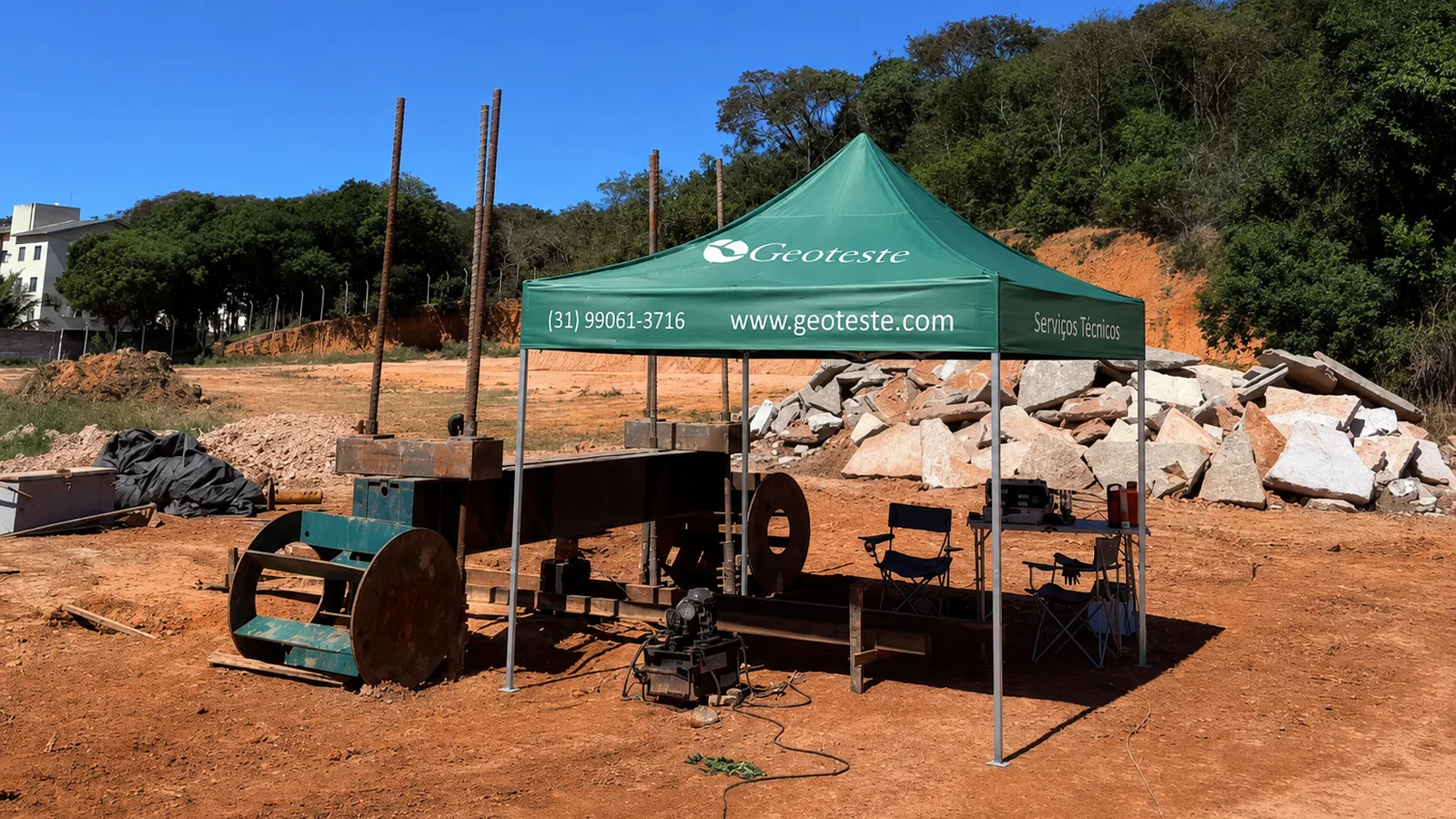
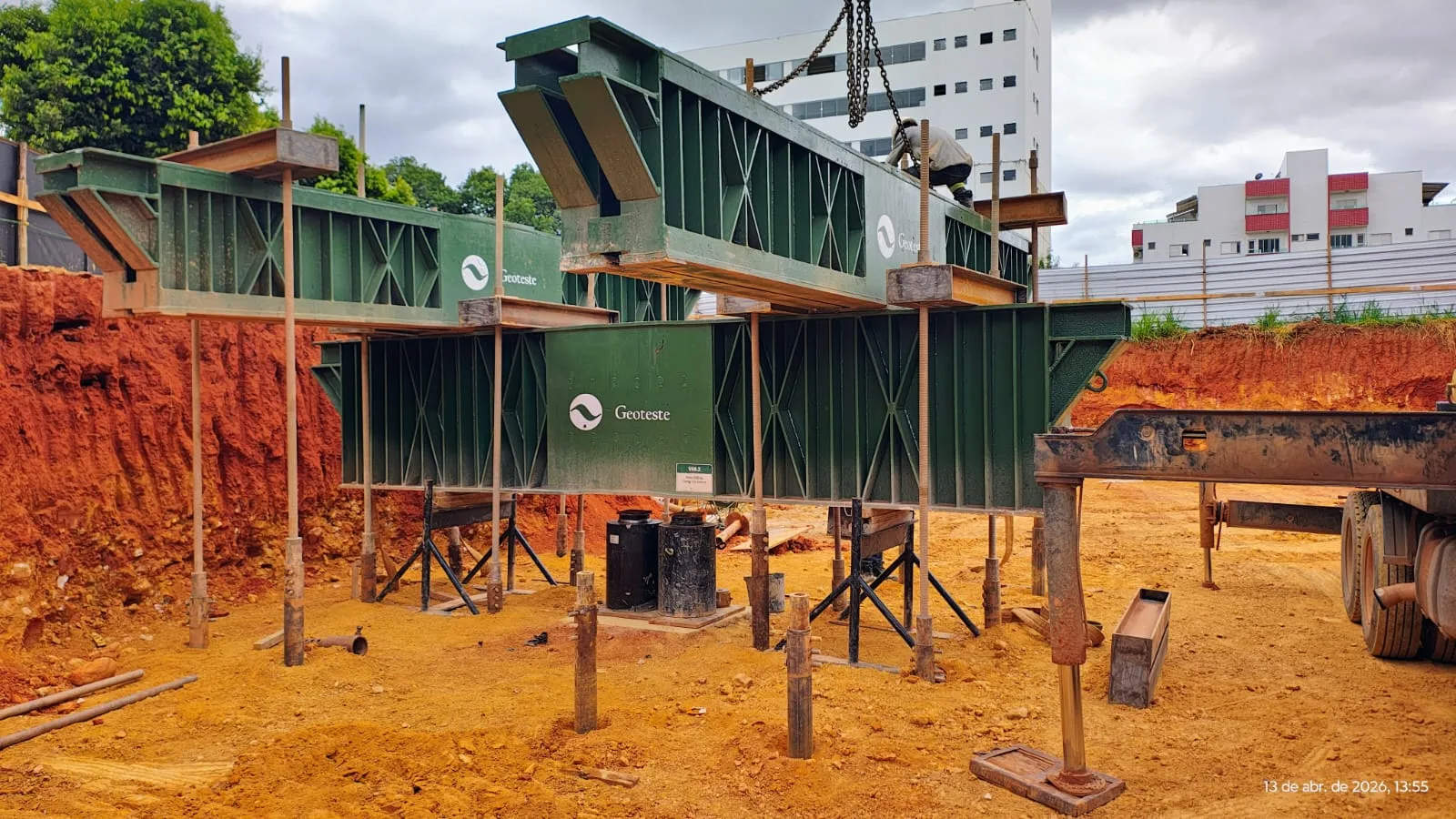
The Static Foundation Load Test (PCE) involves the controlled and gradual application of load to the foundation pile, allowing for a thorough analysis of its response. This method provides a comprehensive view of the pile's structural behavior under static conditions, simulating, with high precision, the loads that the pile will support throughout its service life.
Through advanced instrumentation, it is possible not only to determine the ultimate load capacity, but also to analyze the redistribution of forces, deformations, and possible settlement phenomena. For example, in bridge projects or large buildings, where stability and safety are critical, static tests provide valuable data for design optimization and risk mitigation.
Dynamic Foundation Load Test
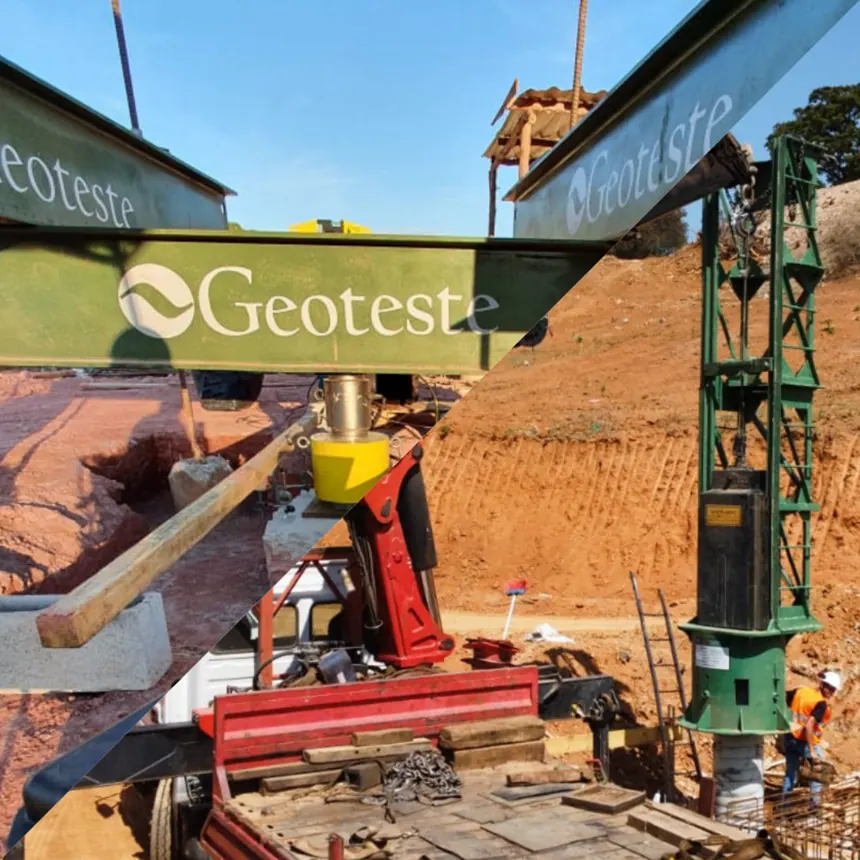
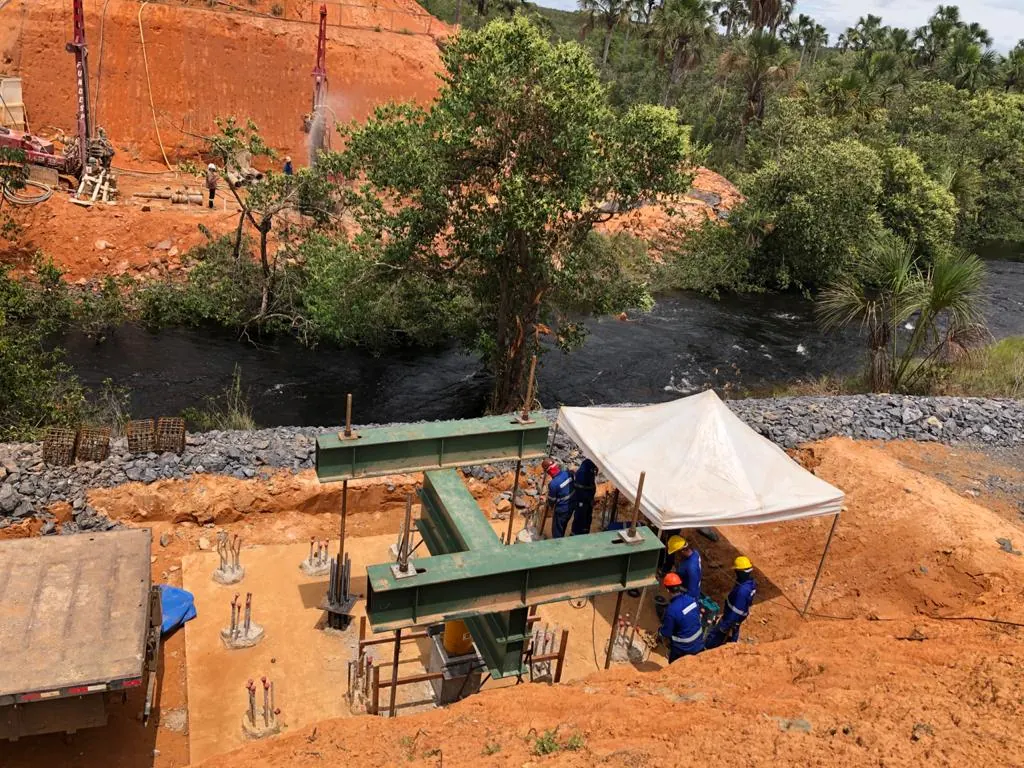
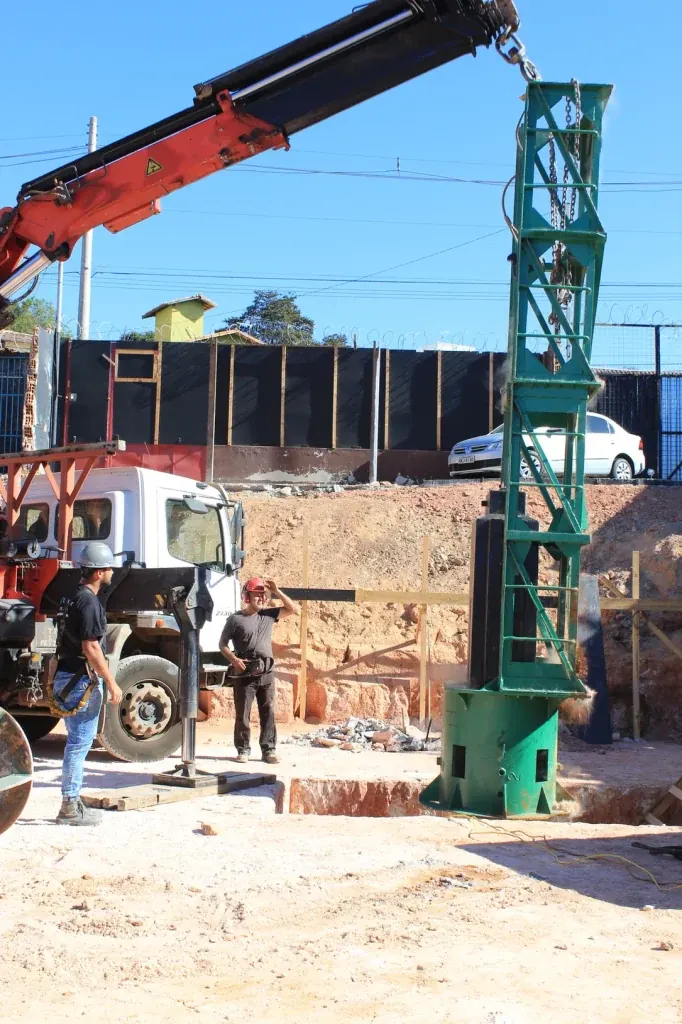
In contrast to the static approach, the Dynamic Foundation Load Test (PDA) presents itself as a more economical alternative. In this method, the load is applied dynamically, through impacts generated by drop hammers or vibratory hammers. The dynamic response of the pile is monitored, allowing for a rapid evaluation of its load capacity under field conditions.
The dynamic foundation load test stands out in situations where static load application would be impracticable, either due to time constraints or site complexities. To illustrate, in infrastructure projects that require quick and efficient evaluations, such as building and residential foundations, the test is a pertinent choice.
What ABNT says about geotechnical tests
To regulate the practice of geotechnical tests, the Brazilian Association of Technical Standards (ABNT) defined in its latest resolution, 2022, through NBR 6122:2022, Design and execution of foundations, item 9.2.2.1, that:
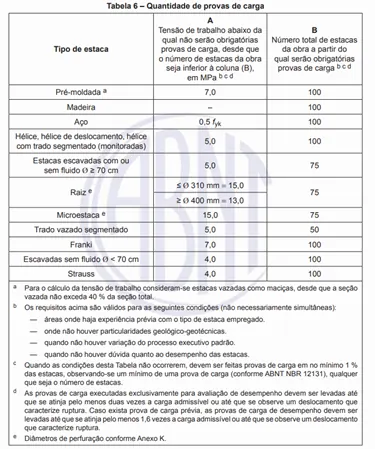
“The execution of static performance load tests is mandatory during piling, in projects that have a number of piles greater than the value specified in column (B) of Table 6.”
When the limit of exigibility for performance load tests is reached (see Table 6), the number of load tests must be established as follows: calculate 1 % of the total number of piles in the project, rounding to one decimal place, and then round the obtained number, with one decimal place, to the nearest integer, considering that the digit 5 is always rounded up. This 1 % includes load tests performed according to 6.2.1.2.2. The number of piles to be considered is the sum of the piles of all structures in the project, even if of different types. This includes piles on the periphery and other constructions of the project, not considering piles exclusively for containment and retaining walls.
When the limit of exigibility for performance load tests is reached (see Table 6), at least one static load test or dynamic loading test must be performed on the piles of the main structure of the project.
The execution of a load test is necessary, regardless of the number of piles in the project, if they are used for working stresses greater than the values indicated in column (A) of Table 6.
In projects where the main loads from the structure, under the most frequent use conditions during its service life, are tensile forces or horizontal forces, the execution of a specific tensile or horizontal force load test is mandatory, with the same criteria mentioned in this subsection.
In special engineering structures (bridges and viaducts), with spans greater than 30.0 m or with more than three spans (four support lines), the execution of a load test (static load test or dynamic loading test) is mandatory.
Which one should I perform in my project?
In summary, both static and dynamic load tests play crucial roles in evaluating piles in civil engineering projects. The static foundation load test offers a detailed and controlled approach, allowing for an in-depth analysis of pile behavior under static conditions. On the other hand, the dynamic load test stands out for its more dynamic and efficient approach, being particularly useful in situations where static load application is not possible.
The choice between these methods will depend on the project's specifics, time constraints, and available resources. Ultimately, the intelligent combination of these approaches can provide a comprehensive understanding of pile performance, contributing to the safety and effectiveness of foundations in construction projects.