Introduction
The geotechnical technician works in civil construction, establishing direct contact between engineering and geology to ensure the safety and stability of structures. This professional is responsible for studying the properties of soil and rock, evaluating their bearing capacity and behavior under the loads imposed by buildings. In this article, we will address the essential characteristics and main activities performed by this professional in the sector.
Characteristics of the geotechnical technician
1. Academic Background and Training:
- Education: Normally, a geotechnical technician has a technical background in Building Construction, Geology, Mining, or Civil Engineering, complemented by specific courses in geotechnics.
Some platforms such as Minere Institute and Engeduca offer courses focused on the area. It is also worthwhile to pay attention to events such as Symposiums, fairs, and seminars, for example, the Load Test and Geotechnical Testing Symposium, organized by the Engineering Institute.
- Continuous Training: Geotechnics is a constantly evolving field, requiring the professional to stay updated with new technologies, analysis methods, and regulations. Thus, the technician must be aware of normative updates, new developments, and be trained to operate new equipment and methodologies.
2. Technical Skills:
- Soil and Rock Analysis: Detailed knowledge of soil and rock characterization, including laboratory tests and interpretation of results.
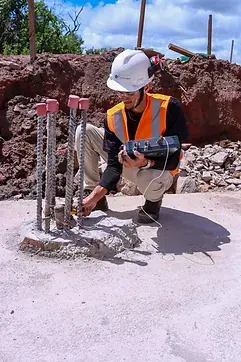
- Software Utilization: Proficiency in specialized software for geotechnical modeling and stability analysis. At Geoteste, we use technologies such as Pile Integrity Test (PIT) and Pile Driving Analyzer (PDA).
- Reading and Interpreting Designs: Ability to read and interpret foundation plans, sections, and geotechnical profiles.
3. Personal Aptitudes:
- Attention to Detail: Precision in data collection and interpretation, essential for the reliability of analyses.
- Effective Communication: Ability to clearly communicate results and recommendations to engineers, architects, and other construction professionals.
- Teamwork: Collaboration with multidisciplinary teams, integrating geotechnical information into the overall design.
Main Activities
1. Geotechnical Investigation:
- Field Tests: Performance of borings, penetration tests (SPT), piezometers, and other tests to obtain information about soil conditions.
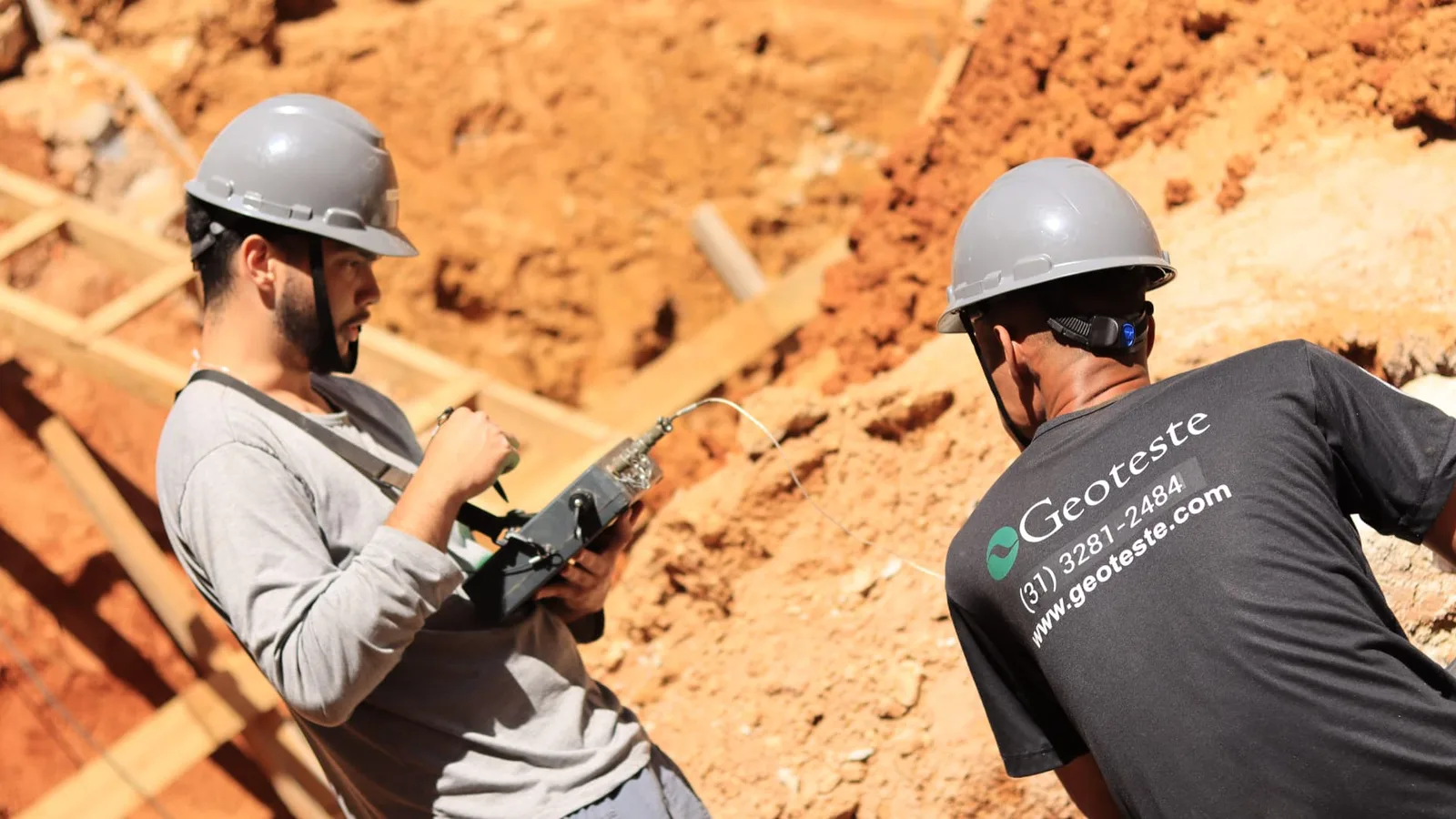
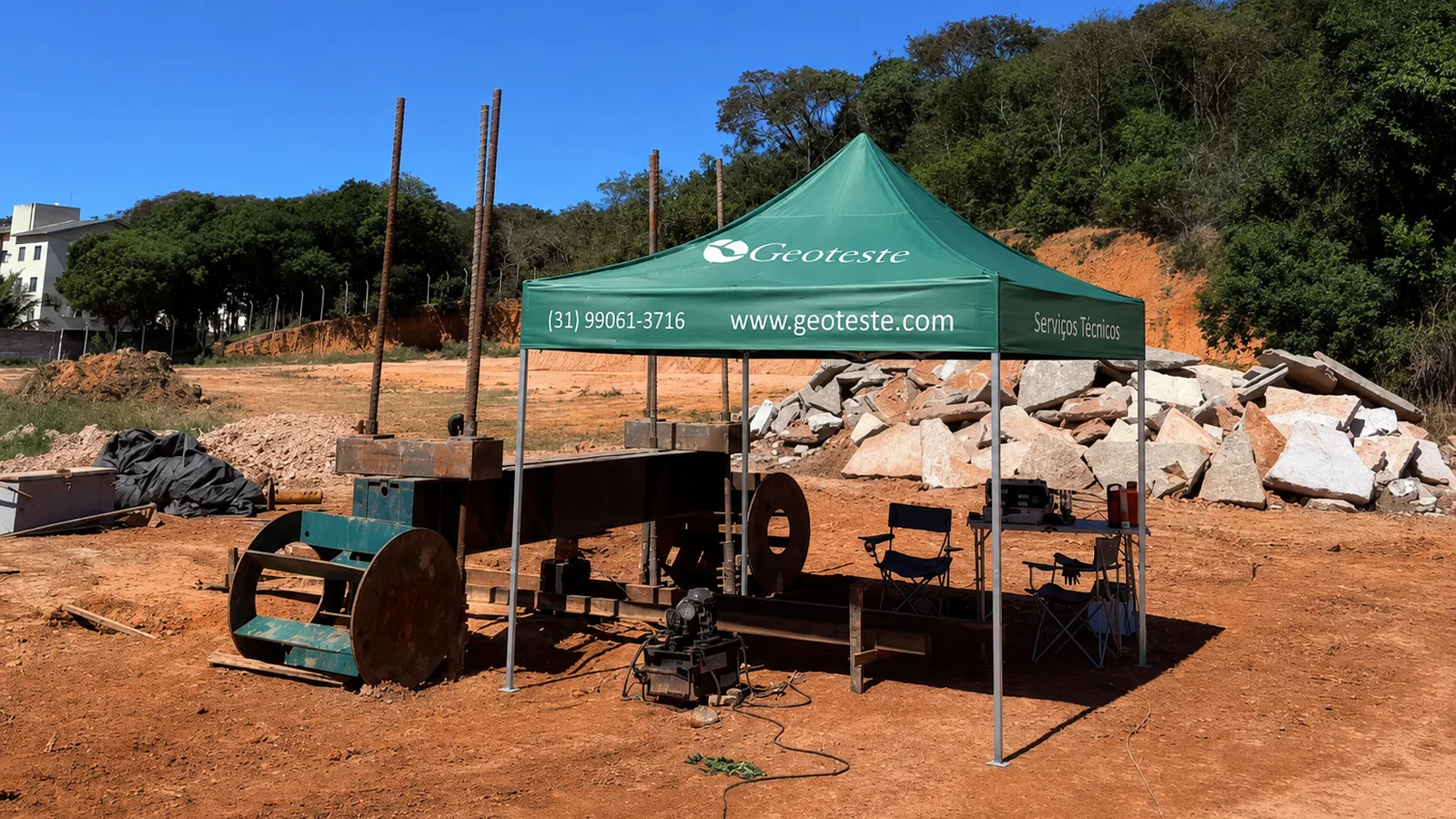
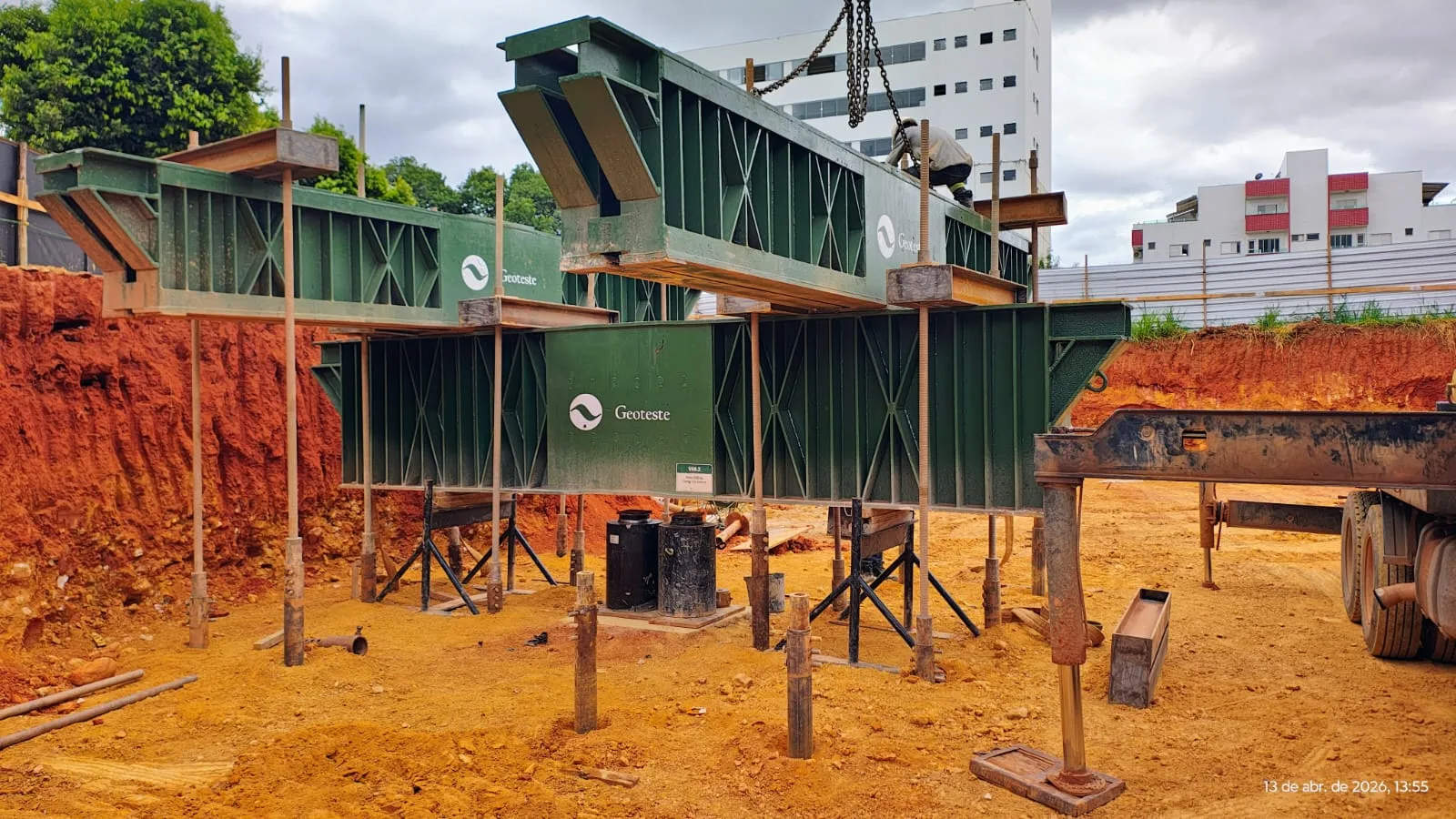
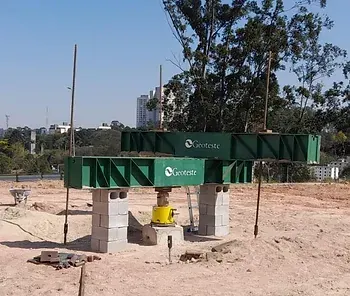
At Geoteste, the technician primarily works with evaluating structural loads. This involves performing dynamic load tests (PDA), static load tests (PCE), and pile integrity tests (PIT).
- Laboratory Tests: Analysis of soil and rock samples to determine properties such as strength, permeability, and compressibility.
2. Foundation Analysis and Design:
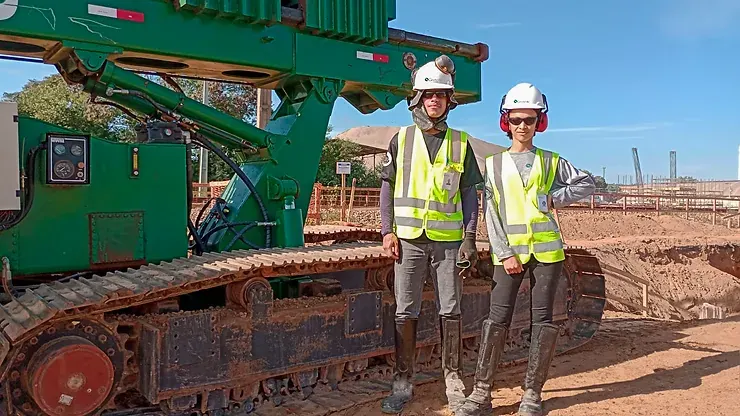
- Foundation Sizing: Based on soil characteristics, the geotechnical technician assists in the design of shallow and deep foundations, such as footings, piles, and rafts. Thus, they work alongside drillers, engineers, and other civil construction professionals.
- Stability Assessment: Analysis of the stability of natural and artificial slopes, preventing landslides and collapses.
3. Monitoring and Quality Control:
- Construction Monitoring: Supervision of excavations, retaining structures, and foundation installation, ensuring that design parameters and specifications are followed.
- Quality Control: Verification of the quality of materials used and the conformity of construction processes with technical standards.
4. Geotechnical Risk Mitigation:
- Risk Identification: Evaluation of potential geotechnical risks, such as subsidence, liquefaction, and erosion.
- Solution Proposals: Development of technical solutions to mitigate identified risks, such as the use of drainage, geosynthetics, and soil improvement techniques.
5. Technical Reports:
- Documentation: Preparation of detailed reports with the results of geotechnical investigations, analyses, and recommendations, serving as a basis for design and construction decisions.
Conclusion
The geotechnical technician is an indispensable professional in civil construction, ensuring that projects are built on a solid and safe foundation. Their activities range from subsoil investigation to monitoring and quality control during construction, significantly contributing to the durability and safety of structures.
Continuous training and the ability to work in a team are essential characteristics for the success of this professional in a field as dynamic and challenging as geotechnics. Their daily tasks will vary greatly and depend heavily on the company they work for. Some organizations, such as Geoteste, specialize in foundation testing, and as such, our technicians are experts in conducting the evaluation of loads supported by structures. At Geoteste, our team is always guided by the motto of enhancing safety, attributing factors of quality and excellence to projects.