Introduction to impact criteria in PDA testing
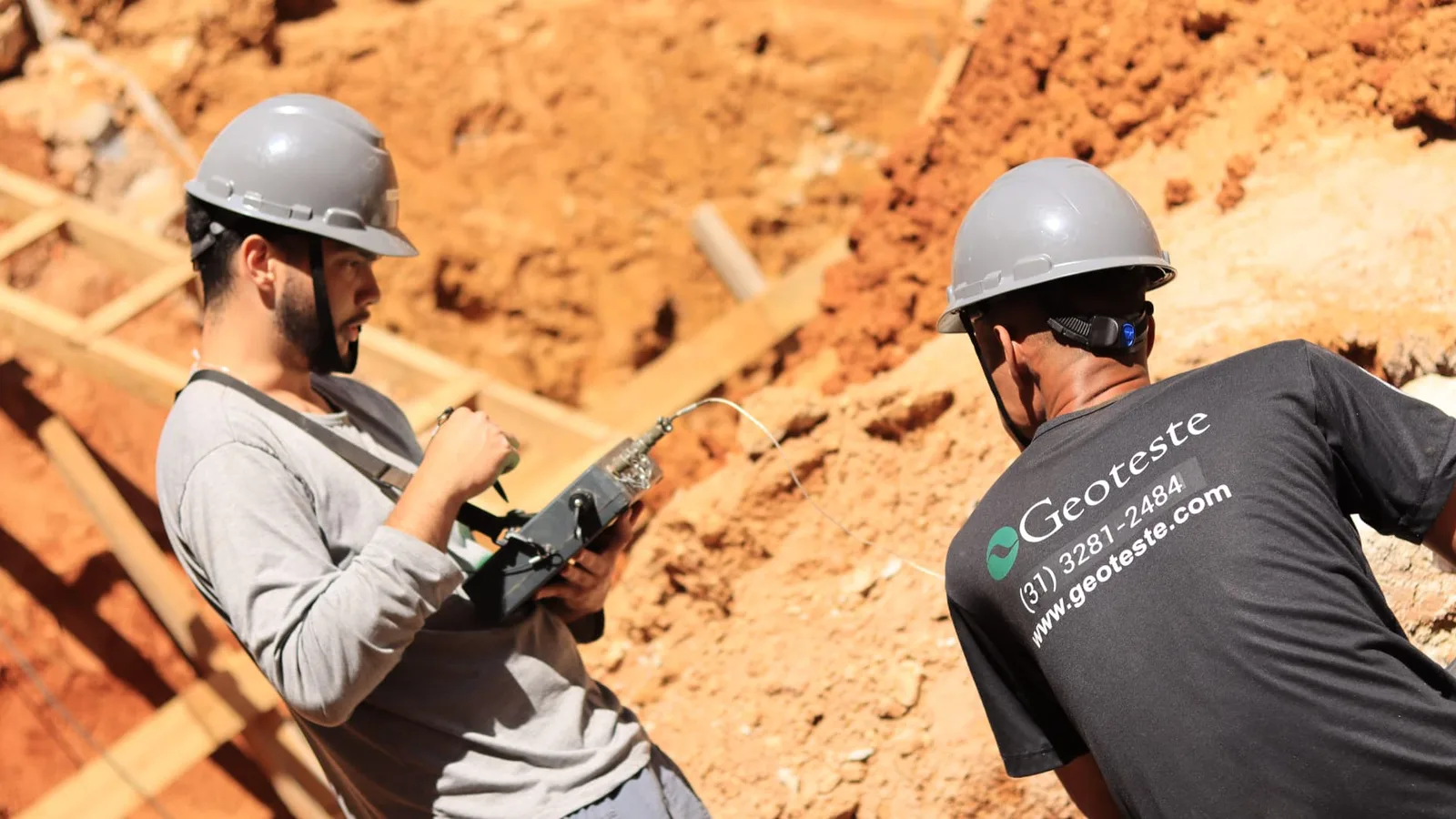
The high-strain dynamic load test, widely known by the acronym PDA (Pile Driving Analyzer), involves applying a high-energy impact to the pile head to evaluate the dynamic response of the soil and foundation system. For the generated stress wave to be capable of mobilizing the geotechnical resistance along the pile shaft and at the pile toe, the impact system needs to transfer sufficient energy. The proper selection of the hammer weight for PDA is a critical step that directly interferes with the quality of the signals recorded by the sensors and the reliability of the subsequent signal analysis.
Foundation engineers and designers must consider that the test does not directly measure the final static capacity, but records the force and velocity resulting from the impact. Therefore, the selection of the hammer cannot be based on generic rules or purely empirical criteria without technical validation. Incorrect sizing of the equipment can result in insufficient energy to mobilize the total resistance or, conversely, in structural damage to the foundation head.
Applicable technical standards for dynamic loading
The execution and operational requirements of the dynamic load test are governed by specific technical standards that establish the appropriate procedures for conducting the dynamic evaluation of deep foundations. In the Brazilian context, ABNT NBR 13208 sets the guidelines for dynamic load tests on piles, determining the necessary instrumental and operational parameters.
Internationally, ASTM D4945 standardizes the procedures for high-strain dynamic testing of deep foundations, while the ISO 22477 series, specifically part 4, addresses dynamic load tests on piles. It is fundamental to understand that the test standard defines the execution method and instrumentation requirements, differing from design and execution standards for foundations, such as ABNT NBR 6122, which establish general safety and performance criteria for geotechnical structures.
Technical factors in selecting the impact system
Defining the hammer weight for PDA involves analyzing various physical and geotechnical factors that influence energy transfer and compression wave propagation along the foundation element. Among the main aspects considered by geotechnical engineers are:
- The expected geotechnical load capacity for the foundation element.
- The type of pile material, whether reinforced concrete, steel, or timber.
- The pile geometry, including diameter, cross-sectional area, and total length.
- The stiffness and strength characteristics of the surrounding subsoil.
- The free fall height of the hammer, which determines the impact velocity.
The relationship between the hammer mass and the pile mass is a preliminary indicator often used in engineering practice. In general terms, technical literature and normative recommendations suggest that the hammer weight should represent a significant portion of the pile mass to ensure efficient linear momentum transfer. If the hammer is excessively light relative to the pile, the generated wave will have reduced amplitude and insufficient energy to overcome toe resistance, limiting the mobilization of geotechnical capacity.
Relationship between impact energy and resistance mobilization
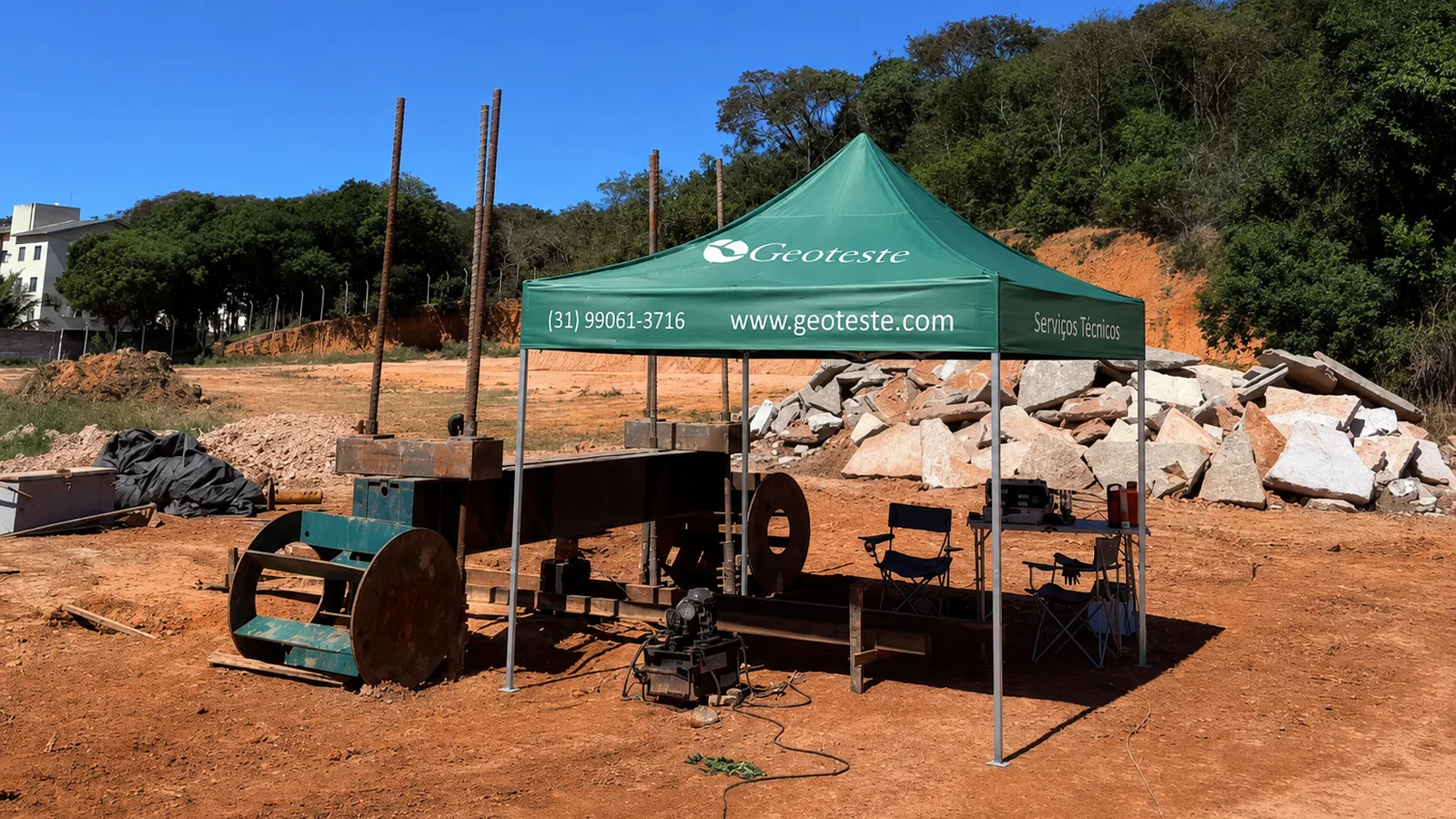
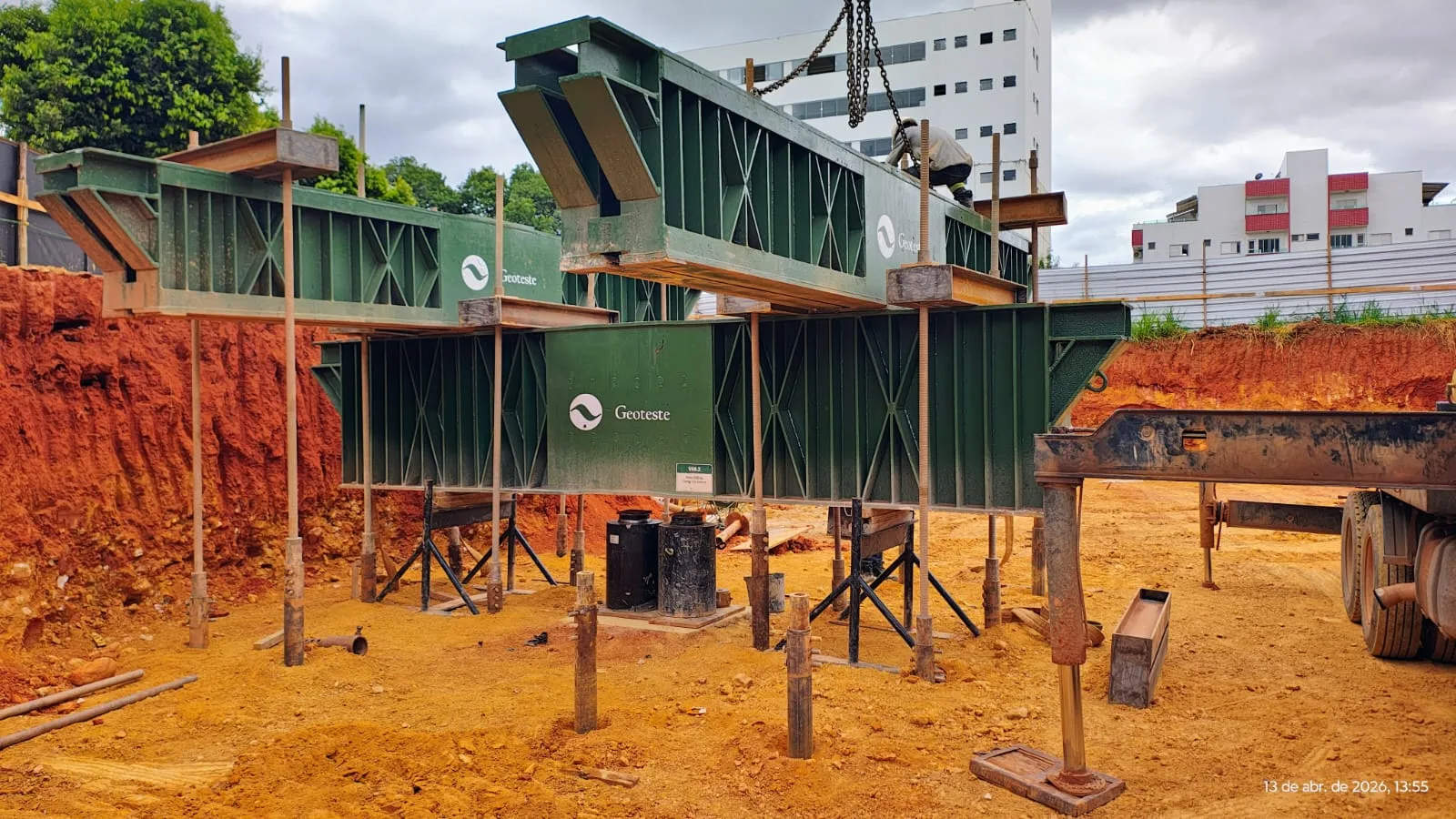
During the execution of the test, the hammer impact produces a stress wave that propagates along the pile. The energy transferred to the pile head depends on the hammer mass, the drop height, and the efficiency of the impact system, which includes the cushioning provided by the pile helmet and timber or synthetic cushions.
It is essential to distinguish between the nominal hammer energy and the energy effectively transferred to the pile. PDA instrumentation records force and velocity signals, allowing the calculation of the maximum energy transferred during impact. If the energy is insufficient, the resistance mobilized during the blow will correspond to only a fraction of the ultimate capacity of the element, requiring successive drops or the use of a heavier hammer.
Limitations and operational precautions
Although dynamic testing is a powerful tool for foundation quality control, inadequate selection of hammer weight can compromise the interpretation of results. Excessive drop heights combined with inappropriate hammers can generate dynamic stresses exceeding the allowable strength of the pile material, causing structural damage such as concrete crushing or element buckling.
Furthermore, results obtained through signal analysis, such as the use of the Case method or the matchbox analysis and correlation with the wave equation, provide estimates of the resistance mobilized under the specific dynamic action of that impact. Such values should not be confused with direct static measurements, as they depend on the interpretation model adopted and momentary geotechnical conditions, which can vary over time, such as the pile setup phenomenon.
Conclusion on hammer selection in PDA testing
The correct selection of hammer weight for PDA is an indispensable requirement to ensure that the impact energy is sufficient to mobilize soil resistance without compromising the structural integrity of the pile. Strict consideration of the recommendations of ABNT NBR 13208 and ASTM D4945, combined with knowledge of the geotechnical characteristics of the ground and the foundation geometry, ensures the reliability of the data collected during the dynamic evaluation.
Geoteste has a specialized team for the execution and interpretation of dynamic tests and load tests, rigorously applying ABNT NBR 13208 and ABNT NBR 6122 standards in all stages of foundation quality control. Contact the Geoteste technical team to evaluate the best investigation and control strategy for your project.