Foundations are the basis of any building, playing an essential role in the stability and safety of civil works. The suitability of a foundation depends on several factors, such as soil quality, design, and correct execution. In this context, load tests emerge as reliable methods to validate the performance of foundations, ensuring they meet project requirements. This article explores the historical evolution of load tests, highlighting their importance for modern geotechnical engineering.
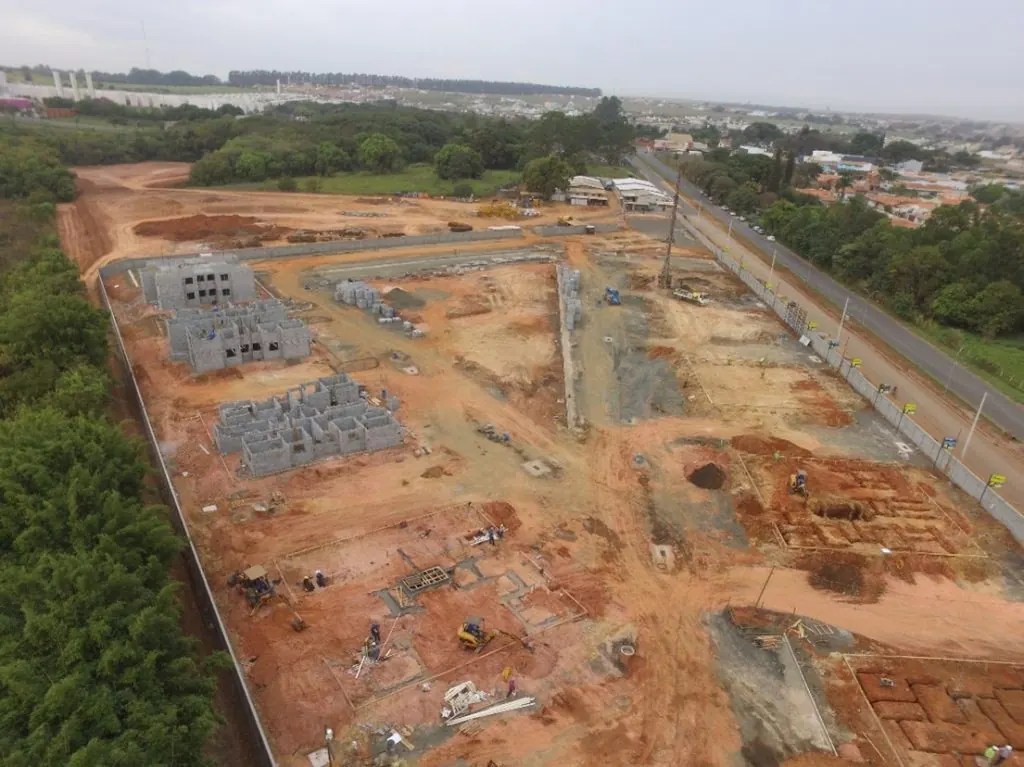
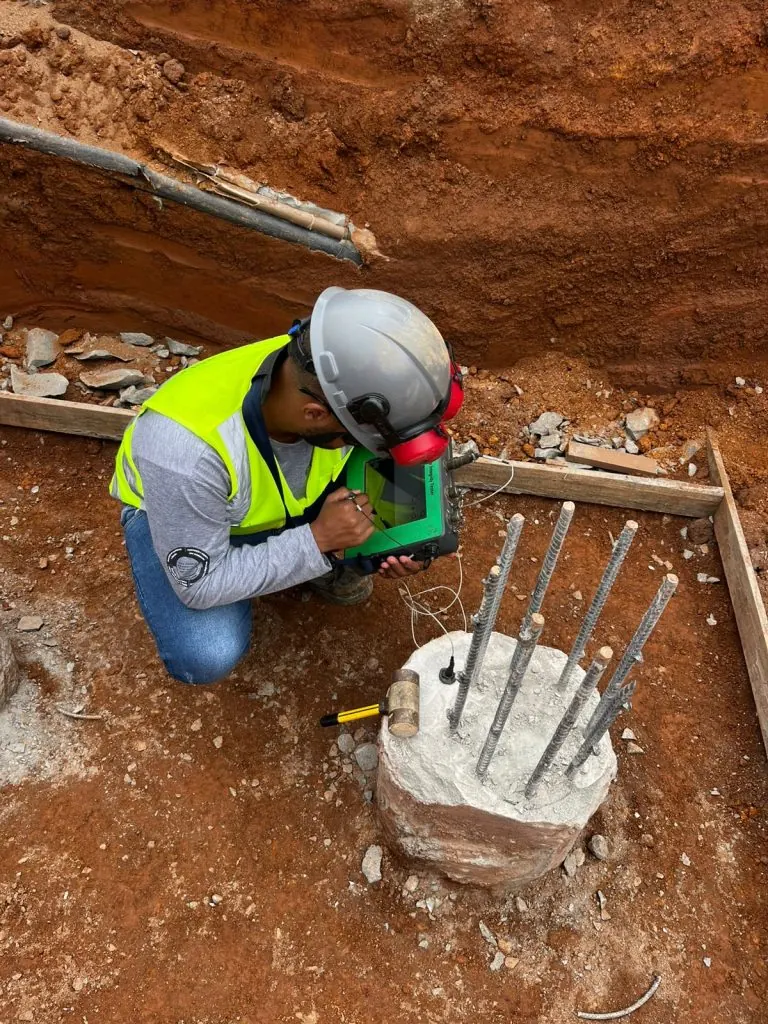
When it comes to building, the foundation is a crucial element of a structure. It is like the bedrock of a house, responsible for supporting the entire weight of the construction and distributing it uniformly into the soil. Without an adequate and well-designed foundation, a structure runs the risk of settlement, displacement, or even collapse.
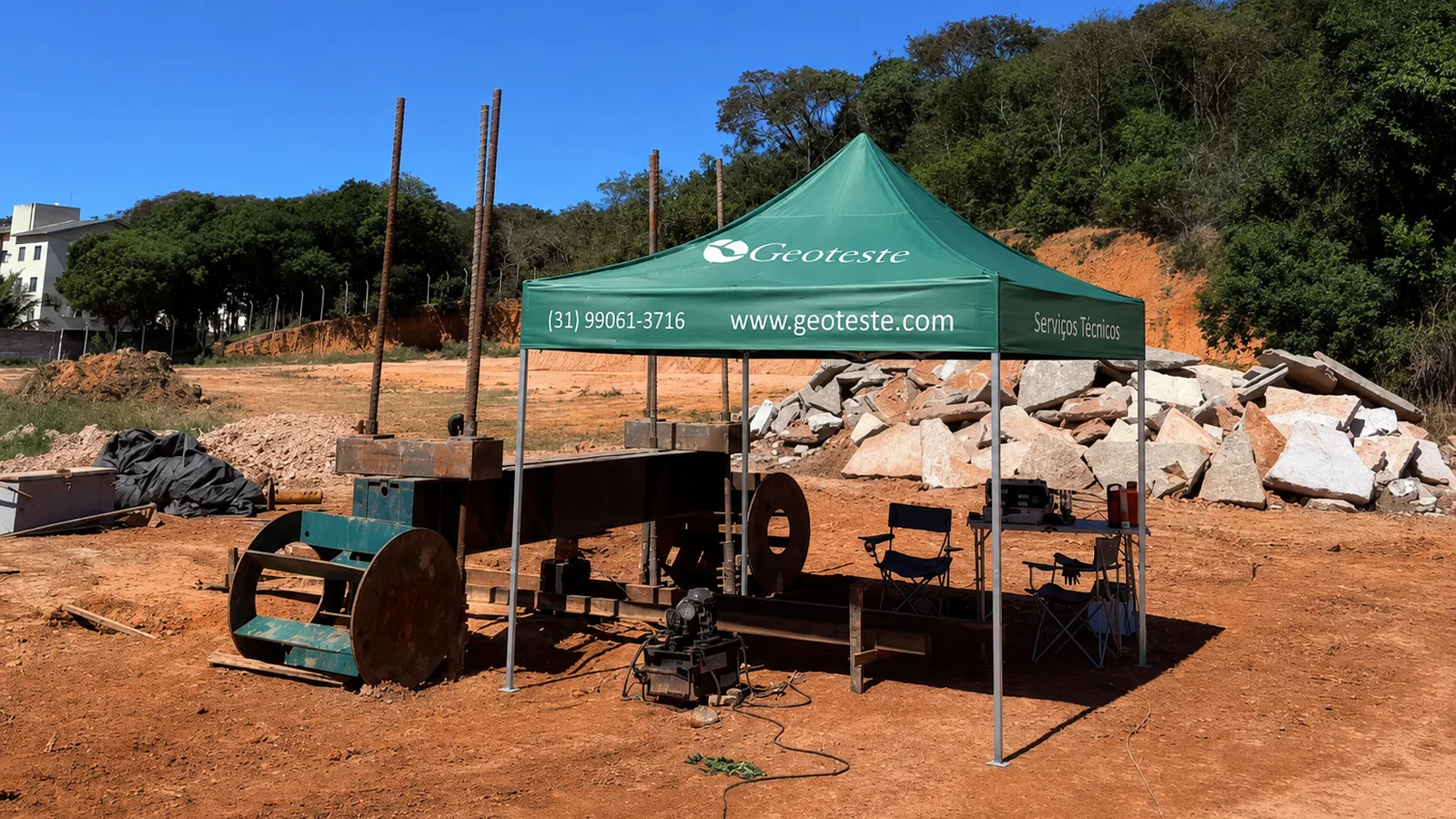
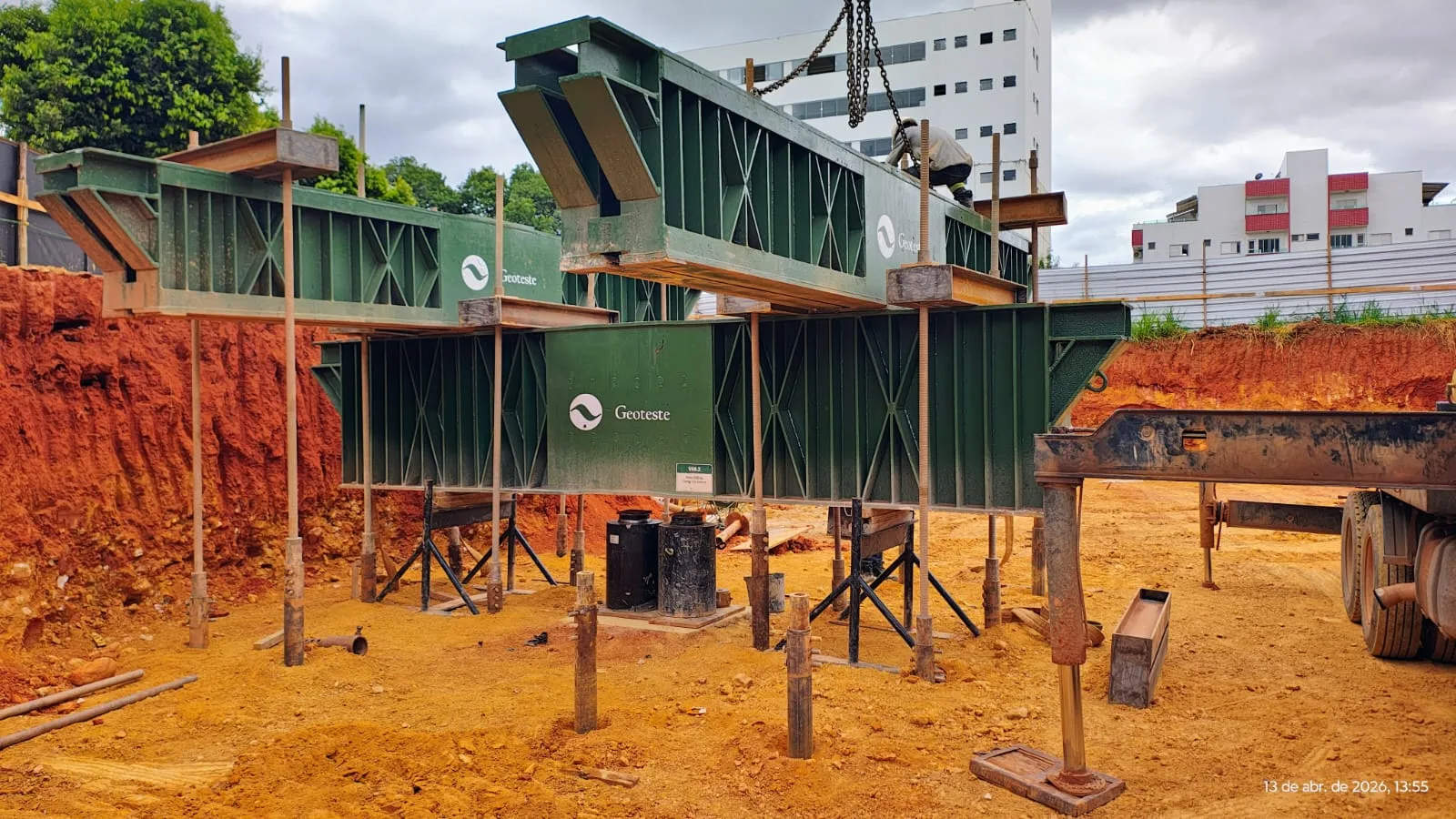
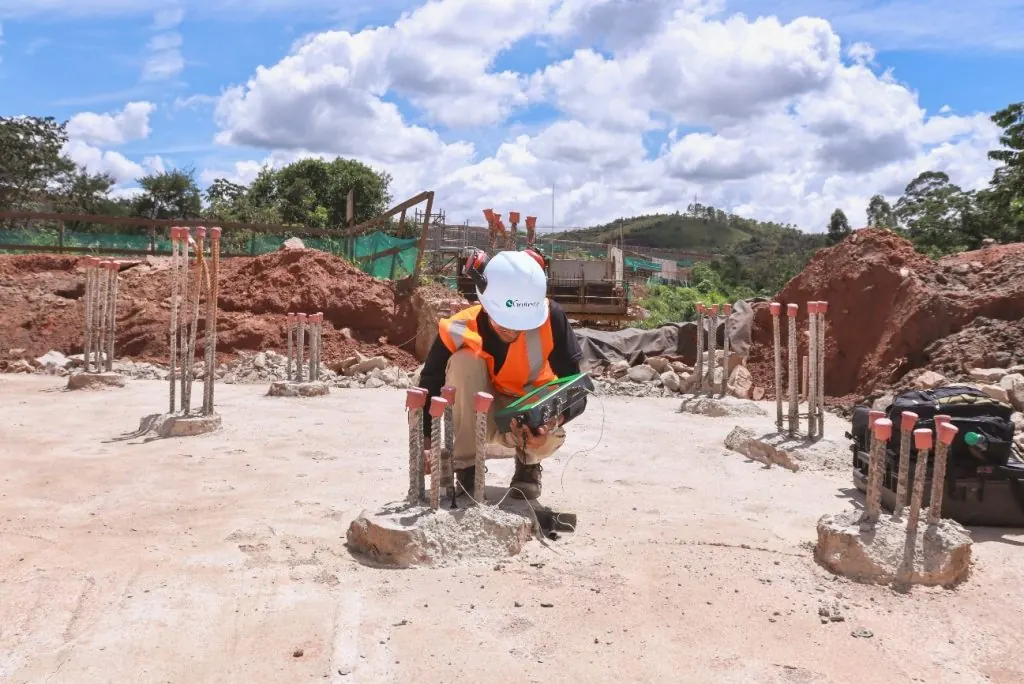
In turn, to ensure the safety and stability of a building, the foundation must have its load correctly sized, making it essential to perform load testing. This is an engineering procedure that tests the load-bearing capacity of the soil and the integrity of the foundation. For this purpose, static and dynamic methods are used, employing tools such as Static Load Test (PCE) and Dynamic Load Test, in addition to the Integrity Test or Pile Integrity Test (PIT).
In this article, we will explore the importance of the foundation, the different types of foundations, and how load testing plays a fundamental role in the construction process, being a mandatory step for any safe undertaking.
The importance of the foundation
Load tests play a central role in the validation and optimization of foundation designs. By subjecting a foundation to a controlled load, it is possible to verify its capacity to support the projected forces, in addition to identifying problems in execution, materials, or sizing. Among the main benefits are:
Shallow Foundations:
- Spread Footings: These are widely used in residential constructions and small structures. They consist of reinforced concrete blocks that distribute the structure's load uniformly into the soil.
- Mat Foundations: These are reinforced concrete slabs that cover the entire area of the construction. They are ideal for terrains with unstable soil or those subject to movement.
- For this type of work, plate load tests can be useful.
Deep Foundations:
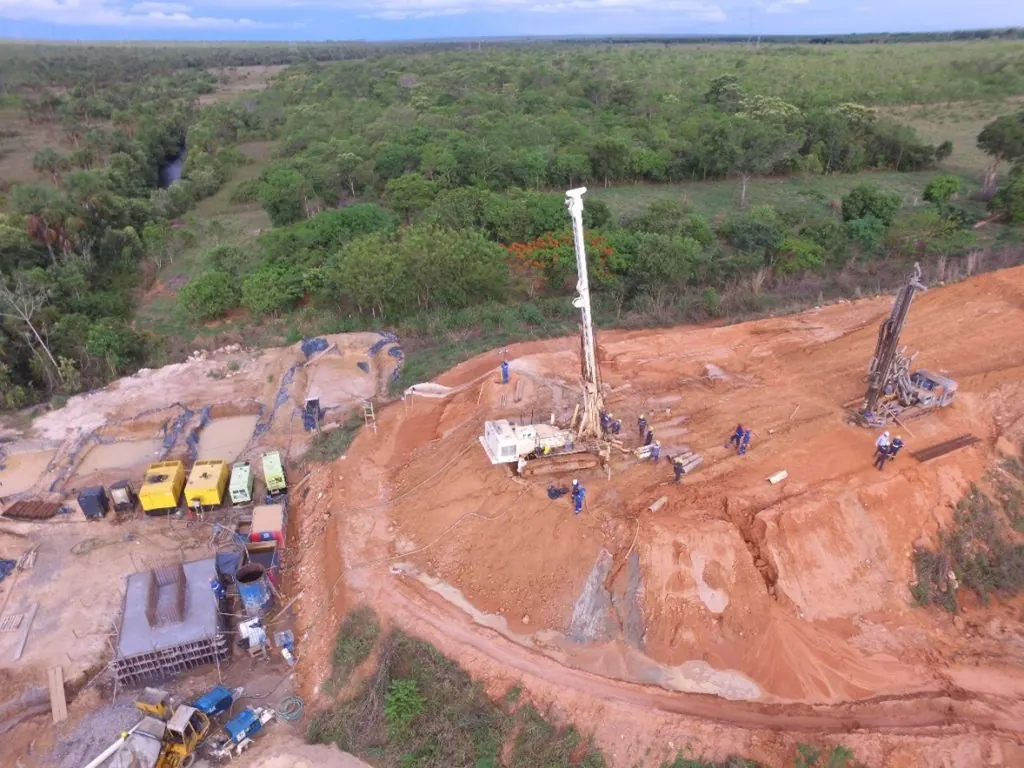
- Piles: These are elongated concrete or steel elements driven into the soil until they reach a resistant layer. They can be used in terrains with soft soil or to support large loads.
- Continuous Flight Auger Piles: These are cast-in-place piles formed by drilling with a helical auger. Concreting occurs simultaneously with drilling; after concreting is complete, the reinforcement cage is inserted. They are effective in various soils and can support high loads.
- For this type of foundation, load testing is recommended, and in some cases, mandatory. See below some situations where load tests are necessary.
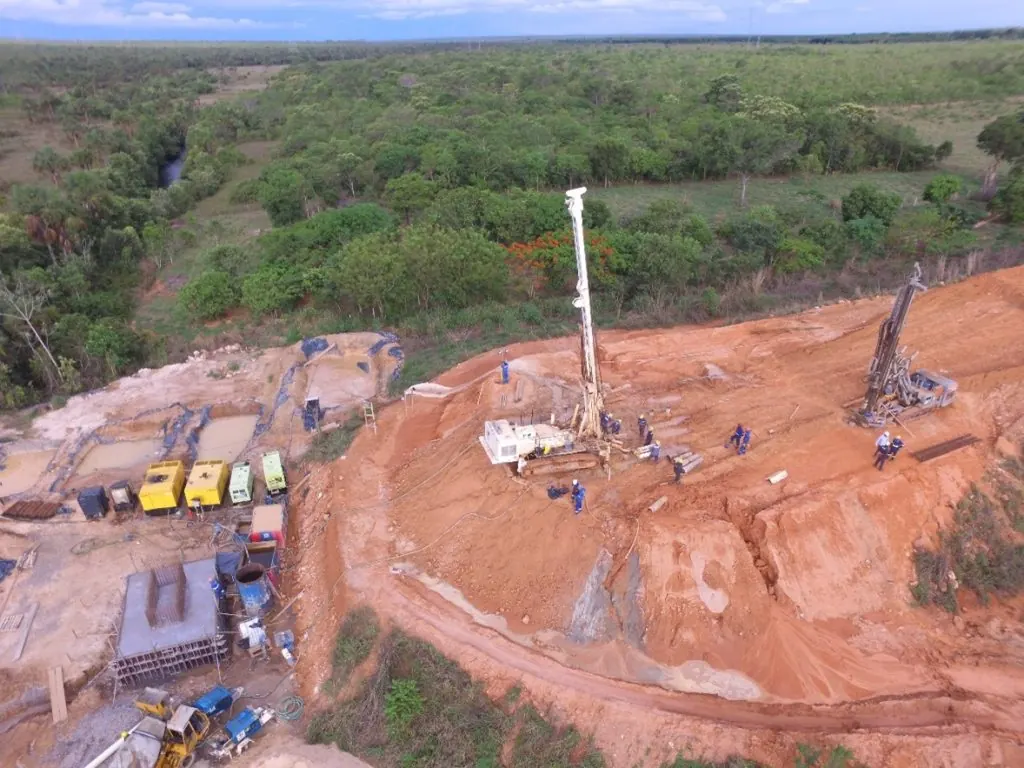
Load Test: Testing Soil Capacity
The load testing process involves the controlled application of known loads onto the foundation, while measuring the deformations of the soil and the structure. This allows engineers to assess how the soil is responding to the load and whether the foundation is performing as expected. Situations where Load Testing is Necessary:
What Brazilian Association of Technical Standards (ABNT) NBR 6122 says: “The execution of static performance load tests is mandatory, during piling, in works that have a number of piles greater than the value specified in column (B) of Table 6.”
Constructions on Unknown Soils: In locations where soil characteristics are unknown or variable, load testing is essential to determine the soil's load-bearing capacity.
Large Structures: In large-scale projects, such as bridges, skyscrapers, and industrial infrastructures, load testing is fundamental to ensure the stability and safety of the structure.
Rehabilitation of Old Structures: When renovating or reinforcing old structures, it is important to perform load testing to verify if the existing foundation is capable of supporting new loads.

Importance of construction safety through foundation and load testing
Safety in construction is a concern in any project. Poorly executed designs or inadequate foundations can result in serious accidents, material damage, and significant financial losses.
Therefore, investing in a well-planned foundation design and conducting load testing is essential to ensure the safety of everyone involved in the project and the durability of the structure over time.
Load tests are indispensable in complex projects, such as bridges, large buildings, and transportation infrastructure. In addition to verifying safety, these tests provide valuable data for project feedback, helping to refine engineering practices and adopt innovative solutions.
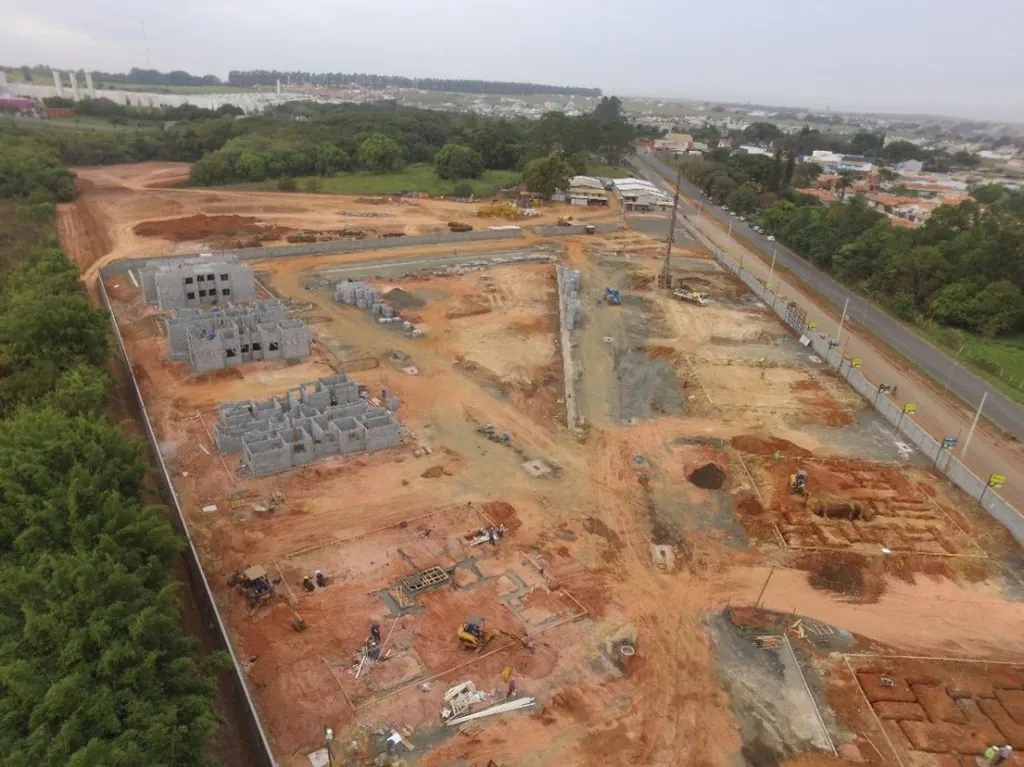
Conclusion
The foundation is the bedrock upon which all construction is built, playing an indispensable role in the safety and stability of any structure. Through load testing, engineers can determine the actual load-bearing capacity of the pile and the effectiveness of the foundation design, ensuring that the construction is on solid ground.
Investing time and resources in a foundation design and conducting load testing helps mitigate risks, after all, construction safety is a non-negotiable priority.
Furthermore, load testing is not just a technical procedure; it is an investment in peace of mind and confidence. By performing a load test, constructors can be certain of the foundation's behavior.
Therefore, by understanding the importance of the foundation and load testing, constructors can ensure not only the success of the project but also the peace of mind of knowing that the construction is based on safety and quality standards. Building on solid foundations is more than an engineering principle; it is a commitment to safety, quality, and excellence in every stage of the construction process.