
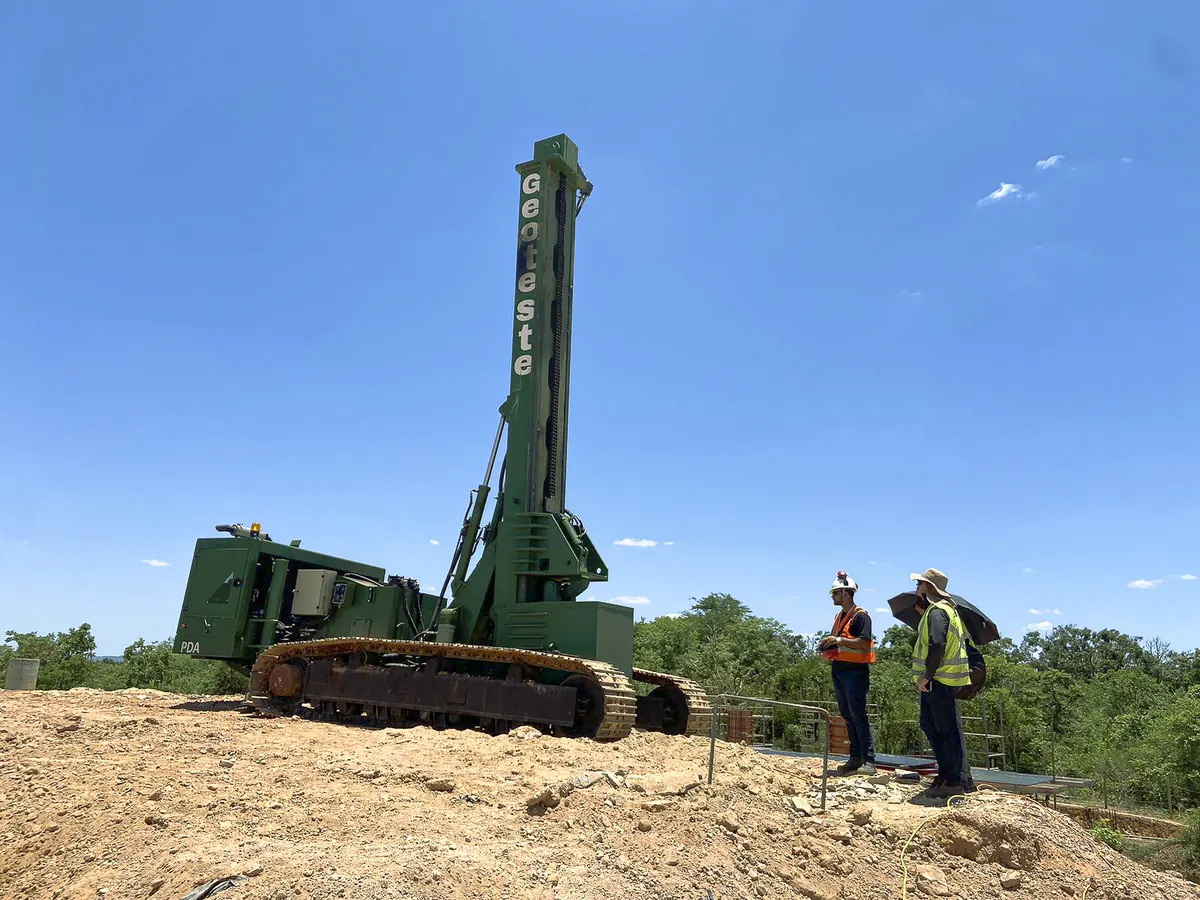
This equipment, exclusive to Geoteste, is remotely guided by a technician. Its tracked structure facilitates access to foundation piles along the terrain.
Load testing is a crucial technique in civil engineering, playing a fundamental role in assessing the load capacity and structural integrity of a construction. This article explores the significant impact that load testing can have on construction projects, highlighting the importance of analysis to ensure the safety and efficiency of structures.
Civil engineering has constantly evolved, and the pursuit of safer and more efficient structures is a priority. In this scenario, the need arises for empirical and practical methods to obtain more information about structures. Among established tools, load testing allows for obtaining precise data on a structure's response under different load conditions and greater knowledge about the construction's behavior on the soil.
The behavior of the soil, moreover, is by far the greatest mystery for the civil engineer. Therefore, any element that allows for better understanding it adds safety to the engineer's work.
Load Testing: Fundamental Concepts
Load testing involves the controlled application of forces or pressures to a structure to evaluate its behavior. This technique is widely used in foundation projects, bridges, and other constructions. The analysis of the resulting deformation, along with data such as tension and compression, provides crucial information about the structure's load capacity.
Impact on Structural Safety
One of the greatest benefits of load testing is the assurance of structural safety. Engineers can identify possible weak points in a structure, adjust the design as needed, and ensure it meets or exceeds safety standards. This is indispensable, for example, in tall buildings, bridges, and structures subject to extreme weather conditions.
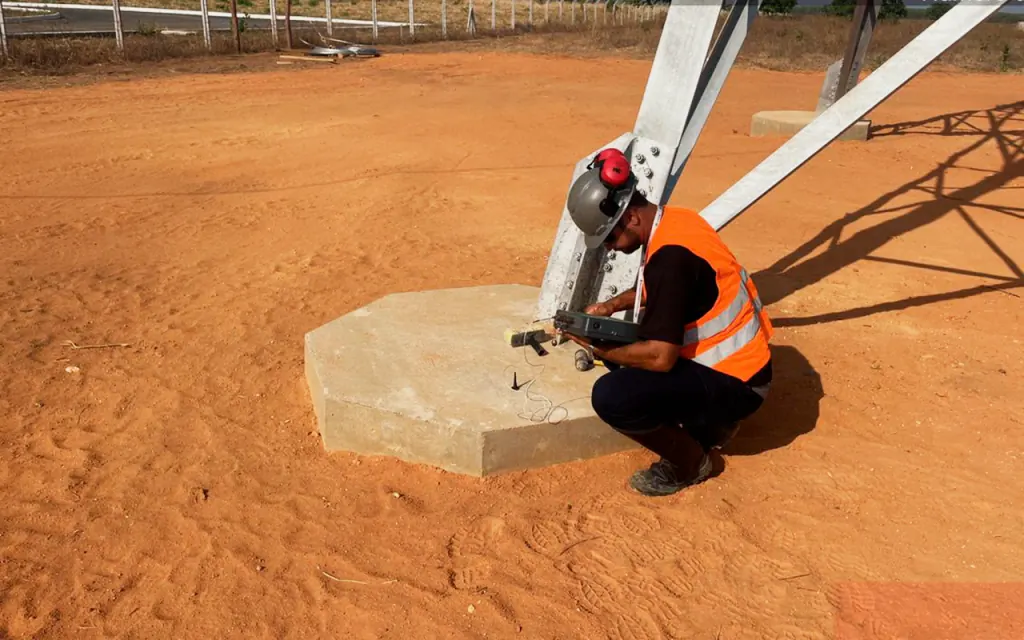
Material and Cost Optimization
Load testing allows for a more precise understanding of the forces acting on a structure, enabling the optimization of materials used. This not only reduces costs but also contributes to sustainability, promoting efficiency in resource utilization.
Real-Time Design Adaptations
By conducting load testing during the construction process, engineers have the ability to make real-time adjustments to the design. This is particularly valuable in complex projects, where soil conditions, geotechnical characteristics, and other factors may vary.

Conclusion
Several emblematic projects highlight the impact of load testing. From the construction of skyscrapers to the implementation of imposing bridges, the detailed structural analysis provided by load testing has been crucial for the success of these undertakings.
Load testing is a vital component in civil engineering, capable of transforming construction projects. Enhanced structural analysis provides greater safety, efficiency, and resource optimization, shaping the modern construction landscape. Incorporating load testing from the initial phases of a project is essential to ensure that structures meet the highest standards of performance and safety, highlighting its importance in the continuous evolution of civil engineering. Finally, it is important to mention Brazilian legislation that governs the practice of tests and load tests, which is mandatory in some cases.