Introduction
Reinforced concrete structures must meet stringent standards for safety, functionality, and aesthetics. These standards are established considering the various actions and environmental influences the structure will face throughout its service life. Thus, it is essential that the design ensures resistance to such conditions, preserving the integrity and functionality of the structure, as well as maintaining its appearance over time.
The Importance of Load Testing on Concrete Structures
Load testing is an essential phase to confirm the safety of concrete structures. This process evaluates the structure's ability to withstand the loads determined by the design, ensuring that it complies with safety and stability standards throughout its use.
Benefits of Load Testing
- Enhanced Safety: Minimizes the risk of structural failures that can lead to collapses, preventing significant material damage and loss of life.
- Regulatory Compliance: Ensures adherence to technical standards and engineering practices, facilitating the approval of projects by regulatory bodies.
- Investment Protection: Allows for the identification and correction of problems before they result in more extensive and costly damage.
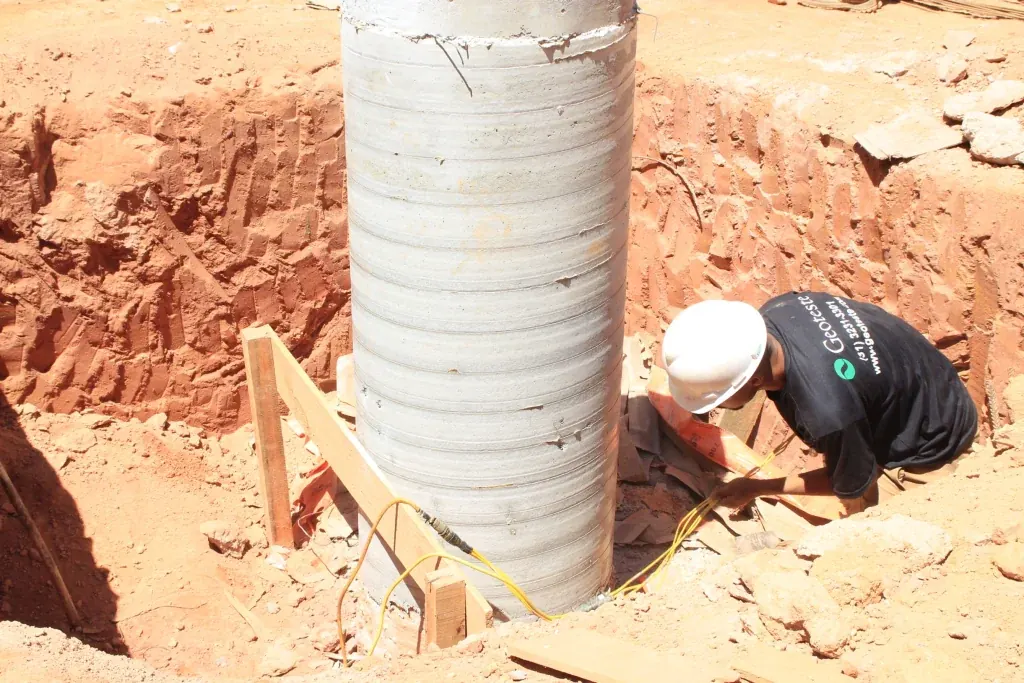
Load Testing Methodology
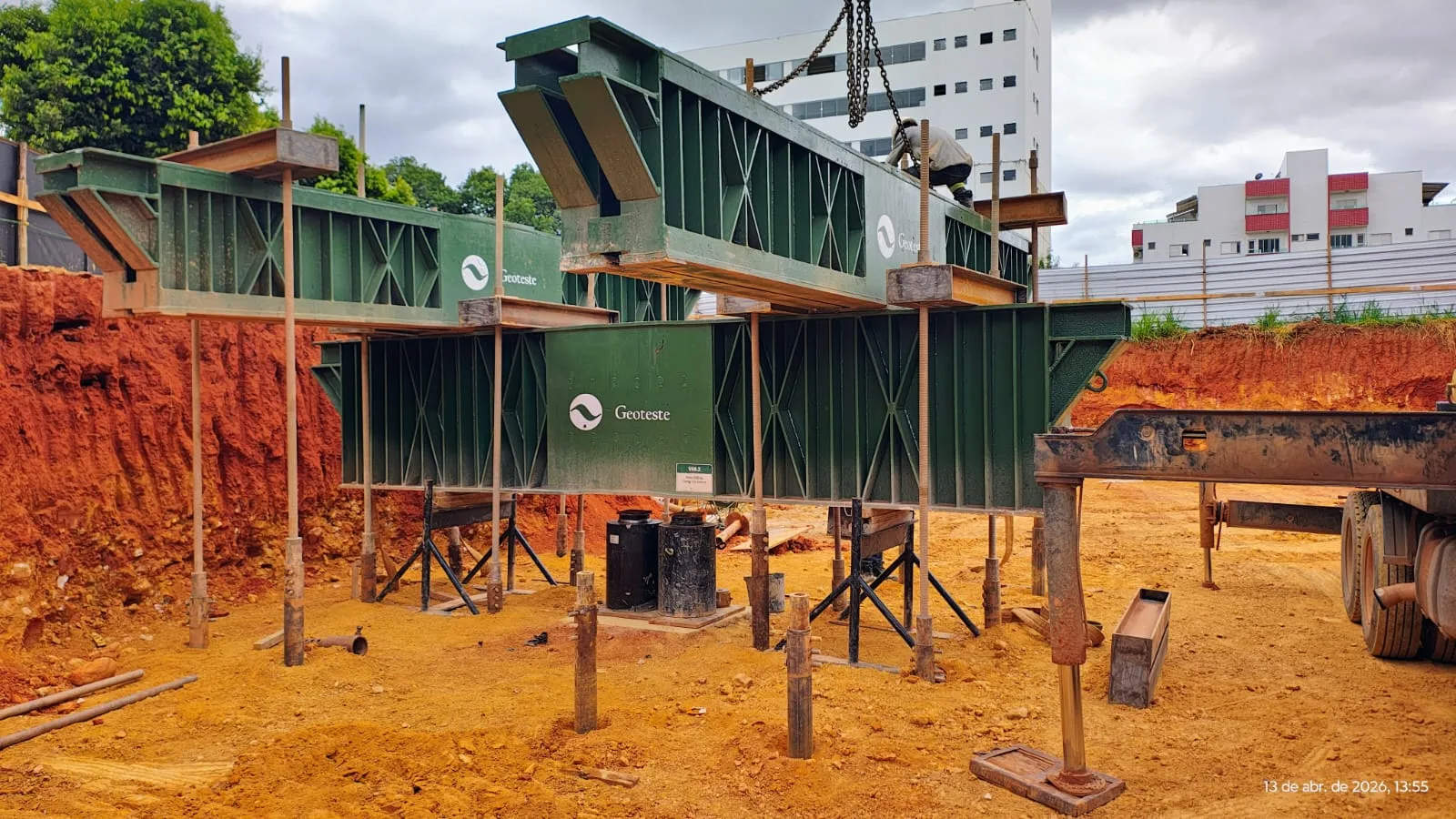
Load testing involves applying a load higher than expected in normal use, but within a safe limit, to observe the structure's response. The analysis of results such as deformations, displacements, and failures indicates the adequacy of the structure under real operating conditions. This evaluation is crucial for identifying possible design, material, or execution flaws.
Practical Applications of Load Testing
Performing load testing before full operation of a structure provides an effective empirical basis for validating theoretical design models. This is particularly crucial in large-scale projects or those using new technologies and materials. Furthermore, the collected data can be used to improve future designs, evolving construction techniques and saving resources.
Conclusion
Load testing is a critical component in the construction process of concrete structures, ensuring that they meet design specifications and safety standards. It functions as a diagnostic and preventive tool, vital for structural integrity and user safety.
About Geoteste
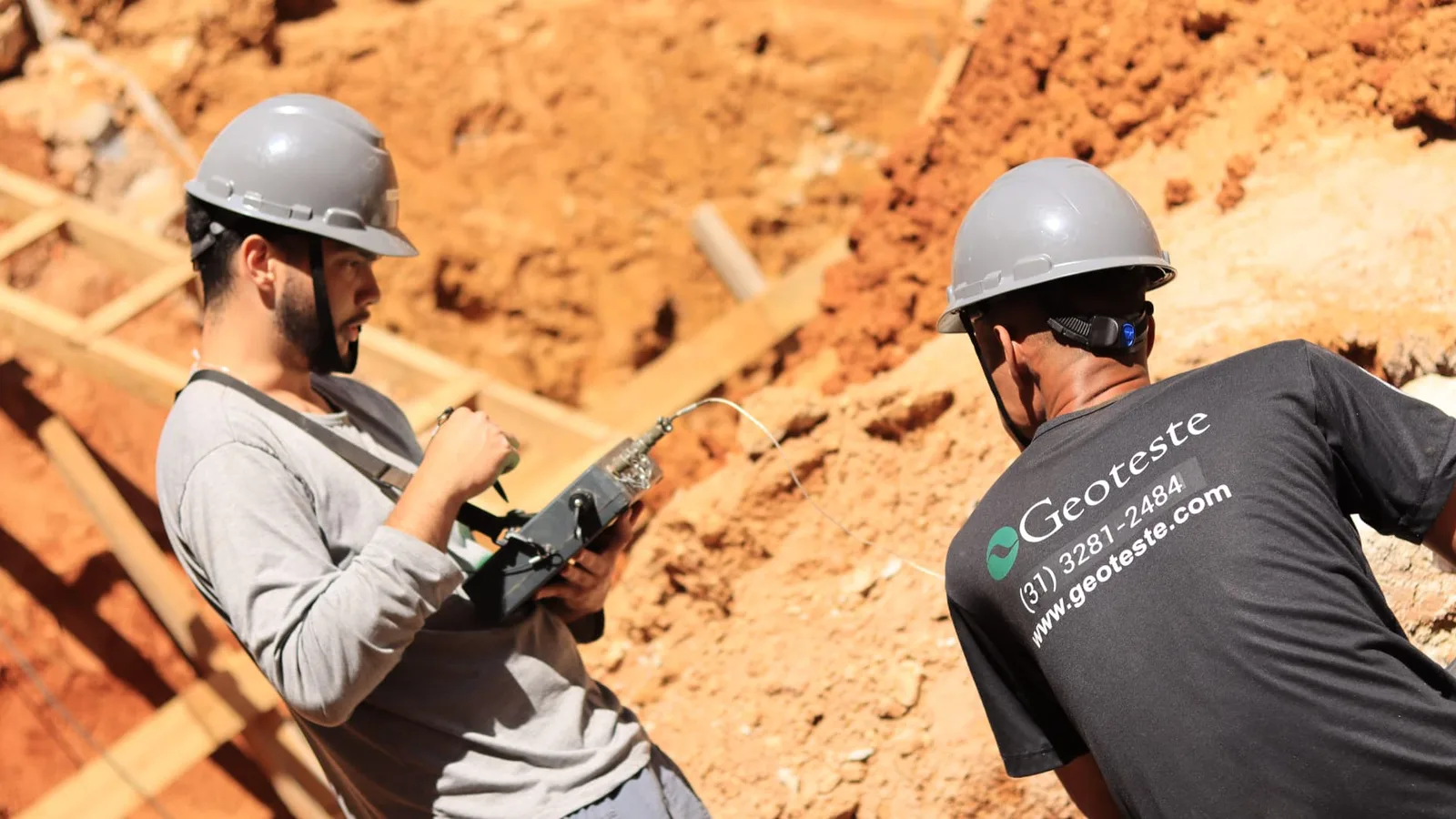
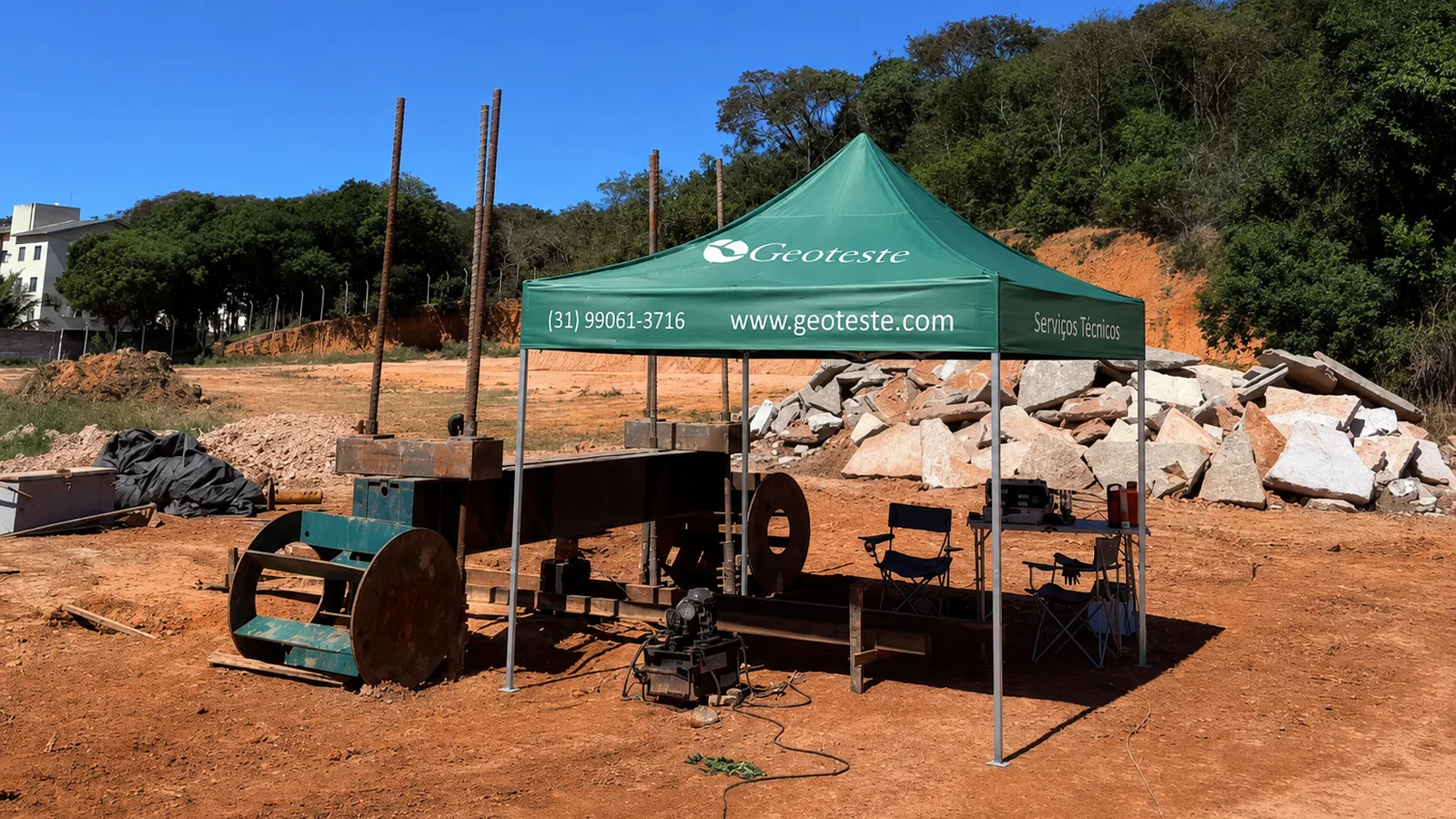
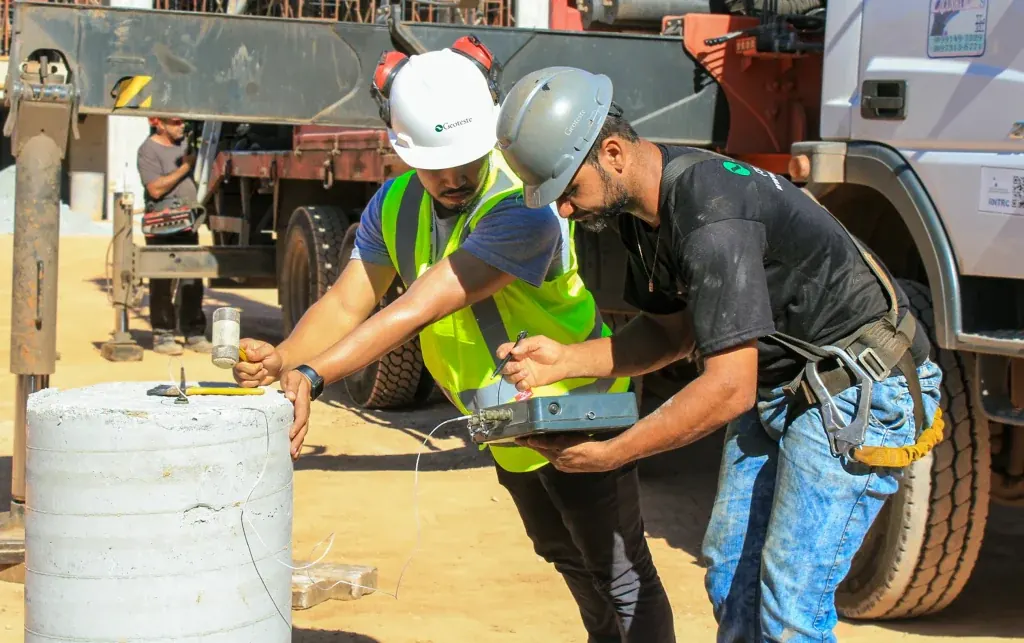
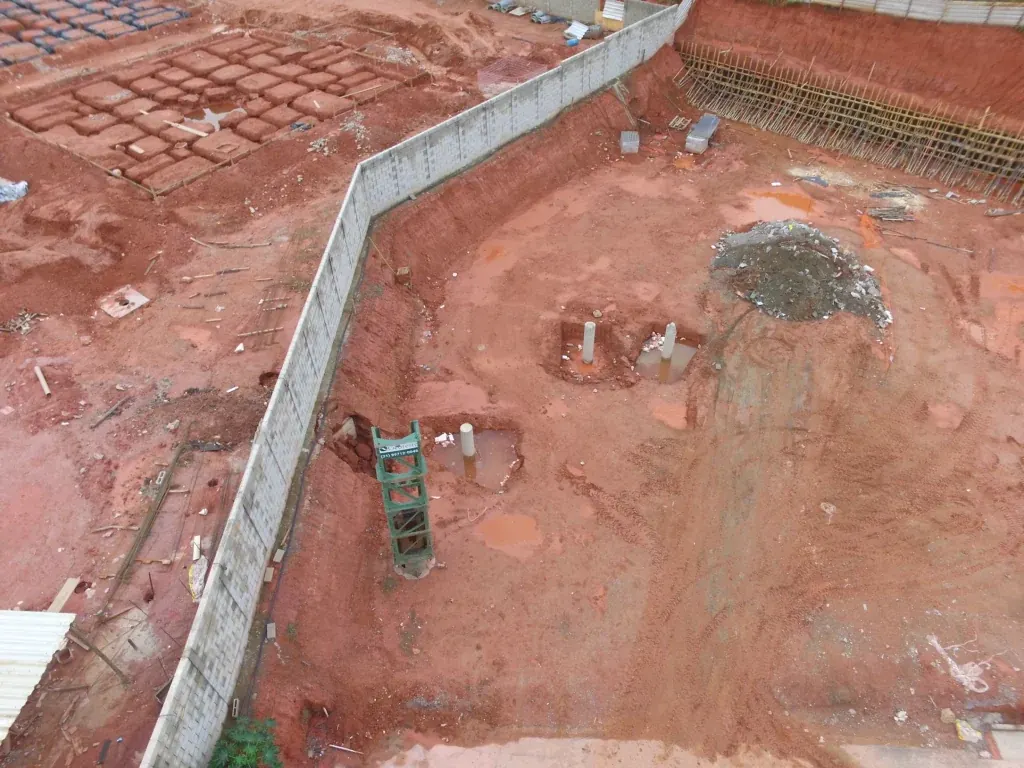
Geoteste offers a variety of tests to enhance the safety of concrete structures, including dynamic load tests with tower impact systems and the Hammer GT20, proprietary technological equipment. We also perform Static Load Tests (PCE), Plate Load Tests, Pile Integrity Tests (PIT), and Bidirectional Load Tests.