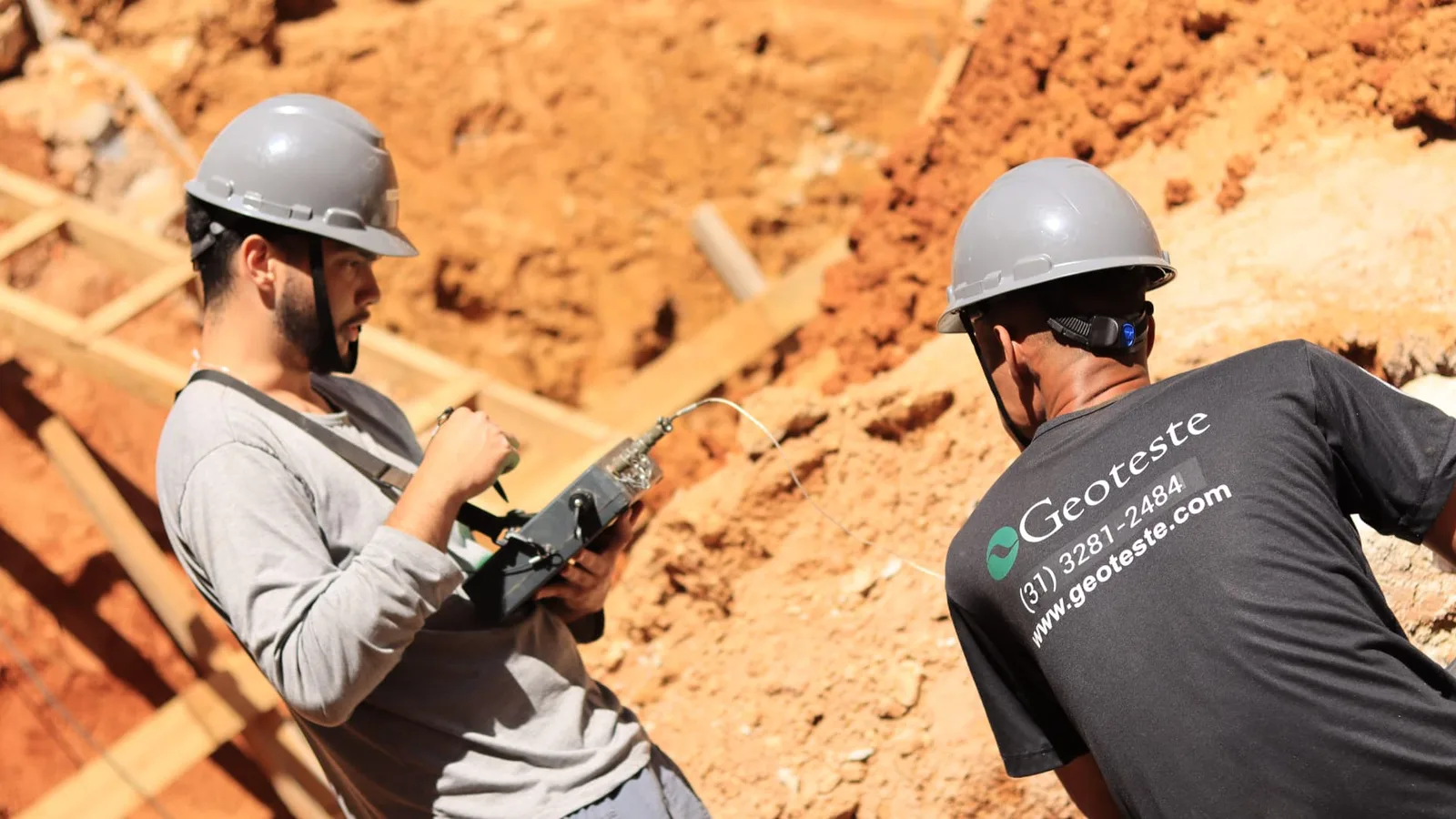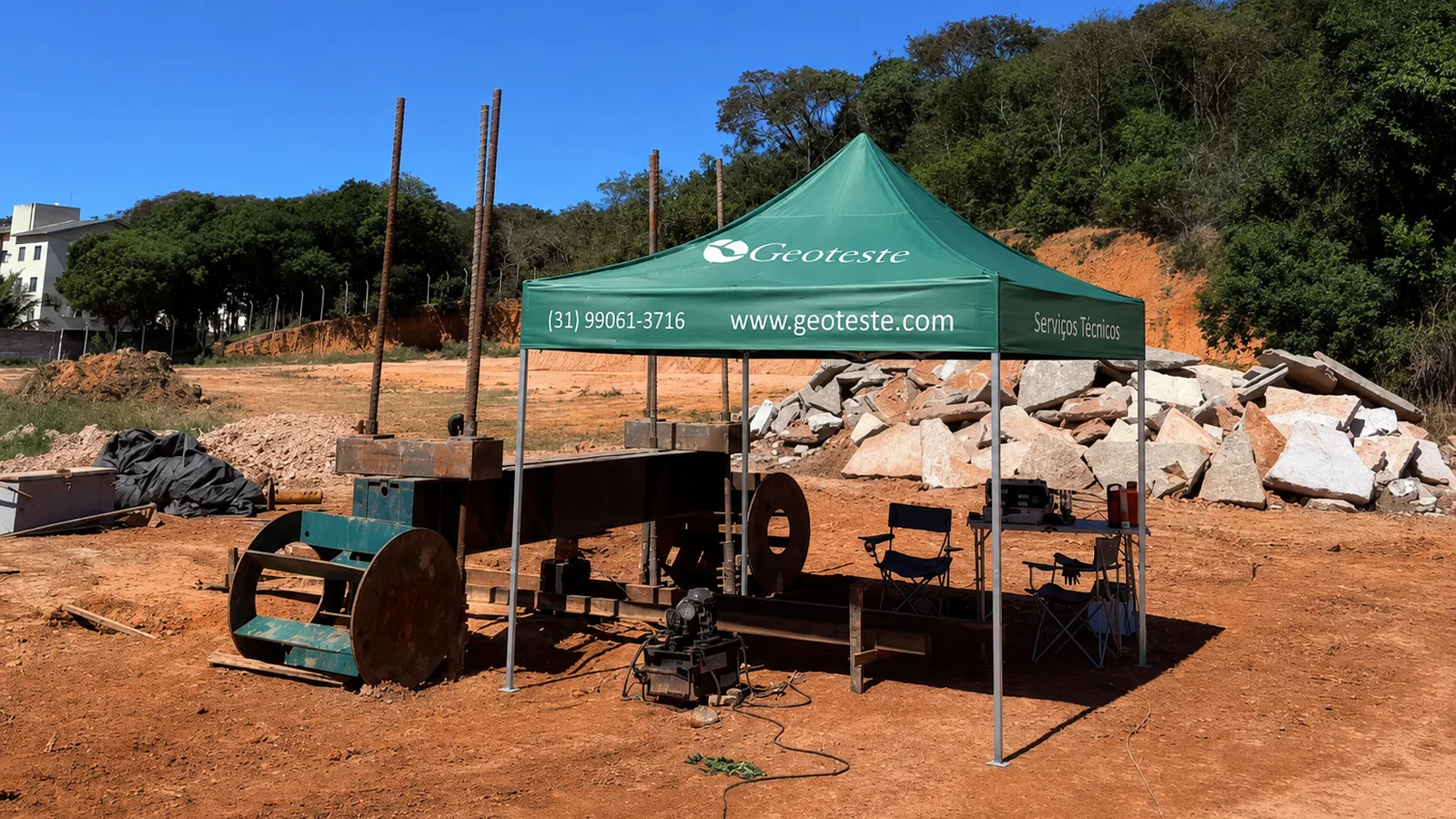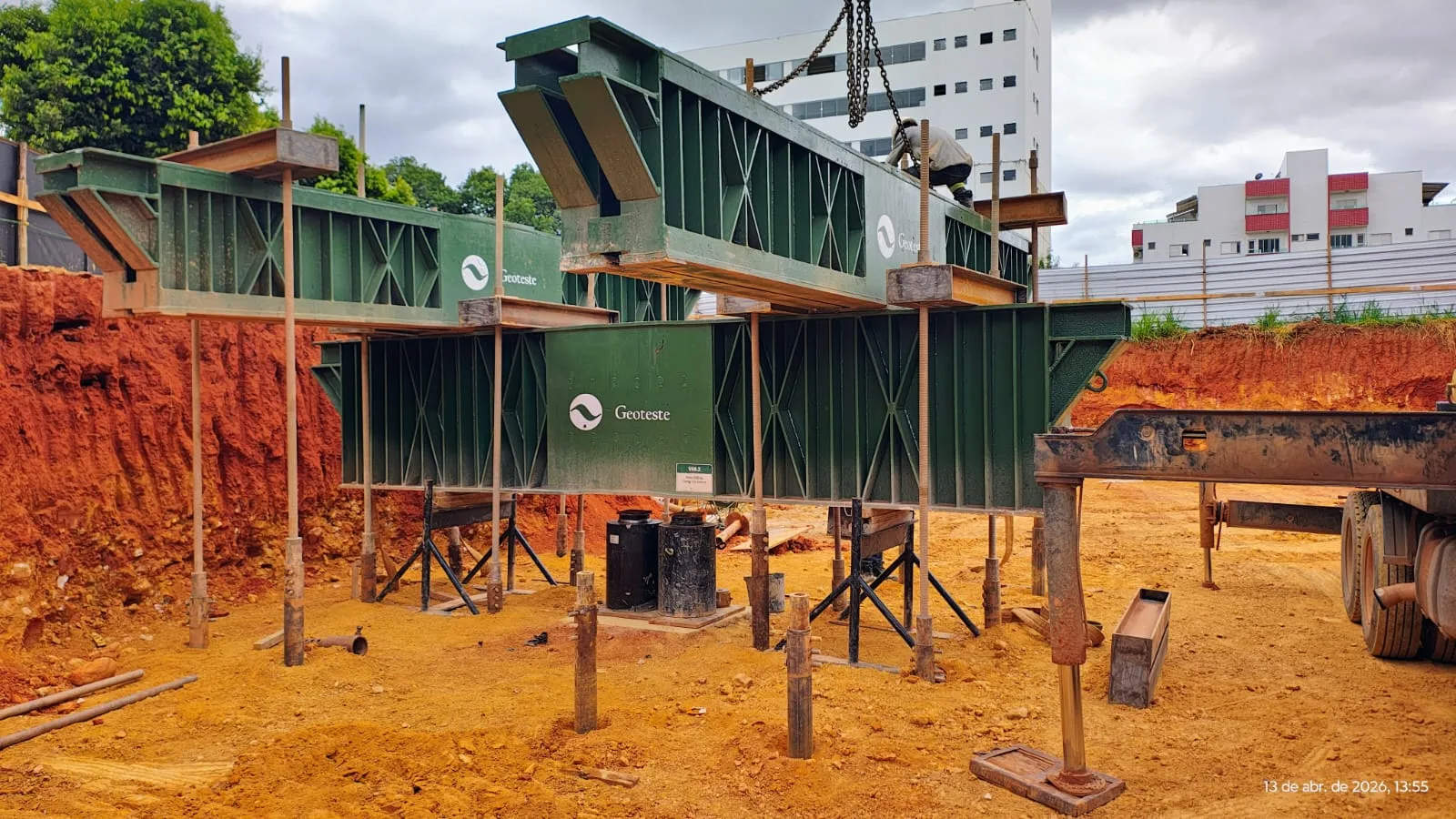
Foundations are the basis of any building, playing an essential role in the stability and safety of civil works. The suitability of a foundation depends on several factors, such as soil quality, design, and correct execution. In this context, load tests emerge as reliable methods to validate the performance of foundations, ensuring they meet project requirements. This article explores the historical evolution of load tests, highlighting their importance for modern geotechnical engineering.
The historical evolution of load tests
The concept of testing the capacity of foundations under load dates back centuries. In the Renaissance period, experiments with loads on structures began to be documented, laying the groundwork for experimental engineering. In Brazil, the first records of load tests on piles date from the 1930s, with emphasis on their use in Franki-type foundations.
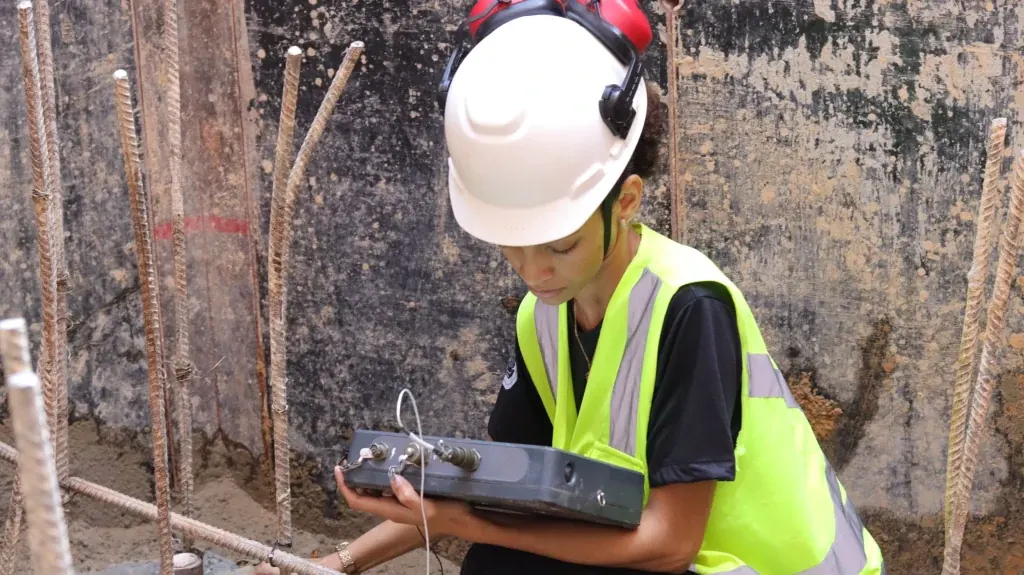
With the advancement of technology, manual and empirical methods gave way to automated and more precise systems. Today, static and dynamic load tests use modern equipment and sensors that provide real-time data, allowing detailed analyses of foundation behavior.
The importance of load tests in foundations
Load tests play a central role in validating and optimizing foundation designs. By subjecting a foundation to a controlled load, it is possible to verify its capacity to support the designed forces, as well as identify problems in execution, materials, or dimensioning. Key benefits include:
- Safety and Stability: Load tests ensure that the foundation supports the predicted loads safely, reducing the risk of structural failures.
- Project Optimization: By validating the actual load-bearing capacity of the soil and foundation, it is possible to adjust the project, often reducing costs without compromising safety.
- Regulatory Compliance: In Brazil, technical standards like ABNT NBR 6122/2022 recommend performing load tests on 1% of the piles of an enterprise, emphasizing their importance for complying with quality standards.
Load Test Methods
There are two main types of foundation load tests:
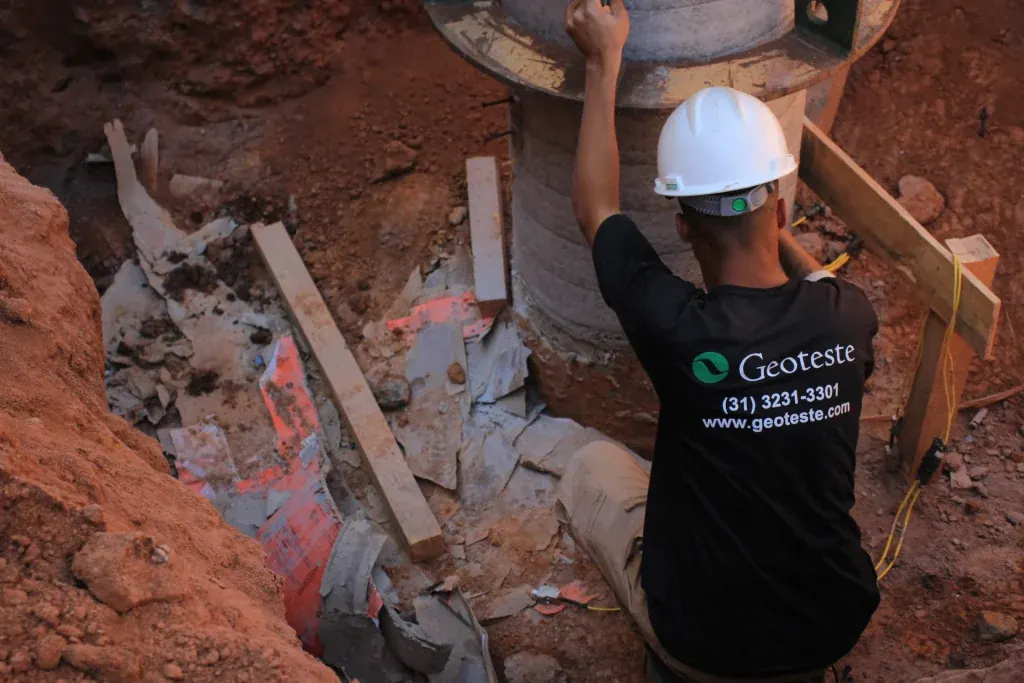
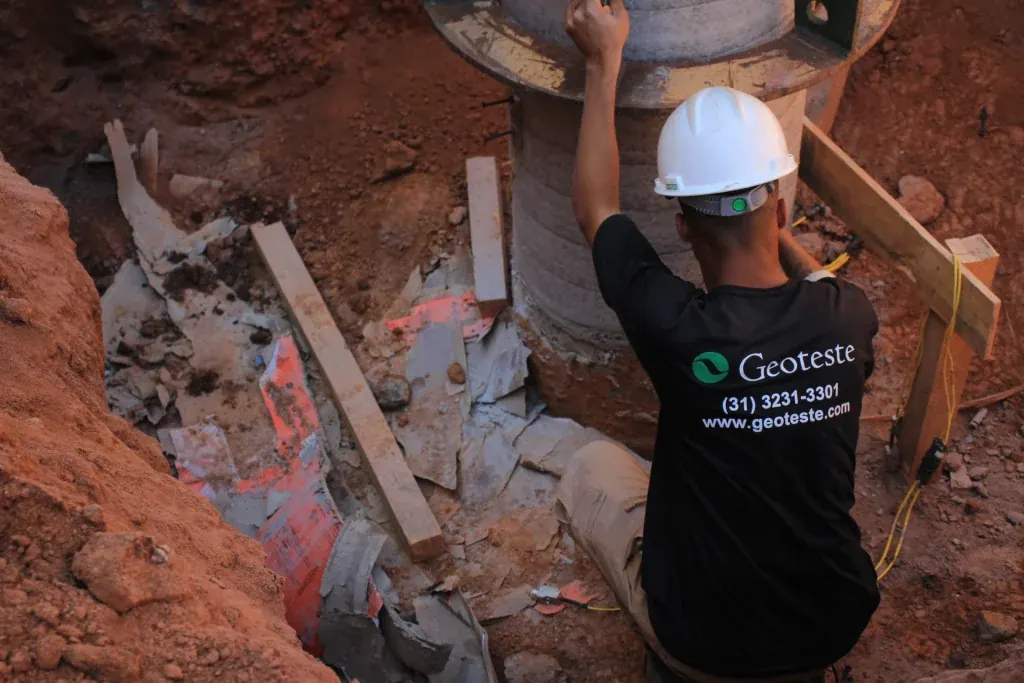
- Static Load Tests: Performed using weights or hydraulic jacks, these tests measure displacements in response to a gradually applied load.
- Dynamic Load Tests: Use hammers or other devices to apply high-speed loads, evaluating the foundation's capacity through wave analyses.
Applications and current relevance
Load tests are indispensable in complex projects, such as bridges, large buildings, and transport infrastructure. In addition to verifying safety, these tests provide valuable data for project feedback, helping to refine engineering practices and adopt innovative solutions.
Changes in direction for the future
In 2024, we observe changes in direction that are reshaping load testing in an irreversible way. According to our Director, Engineer Rodrigo Gontijo, “we are experiencing an inflection point, where traditional methods are being transformed and improved to ensure economy, speed, safety, and precision. Geoteste is leading this transformation with significant investments in innovative technologies.”
- Temporary Anchoring Systems for Static Load Tests: The use of helicals in place of reaction piles in static load test systems is a trend that aligns with saving time and money. The costly and time-consuming reaction piles lost in the ground are giving way to Temporary Anchoring Systems, which have become smarter and more economical solutions in most cases. “The idea of executing lost piles will be a thing of the past,” states Gontijo.
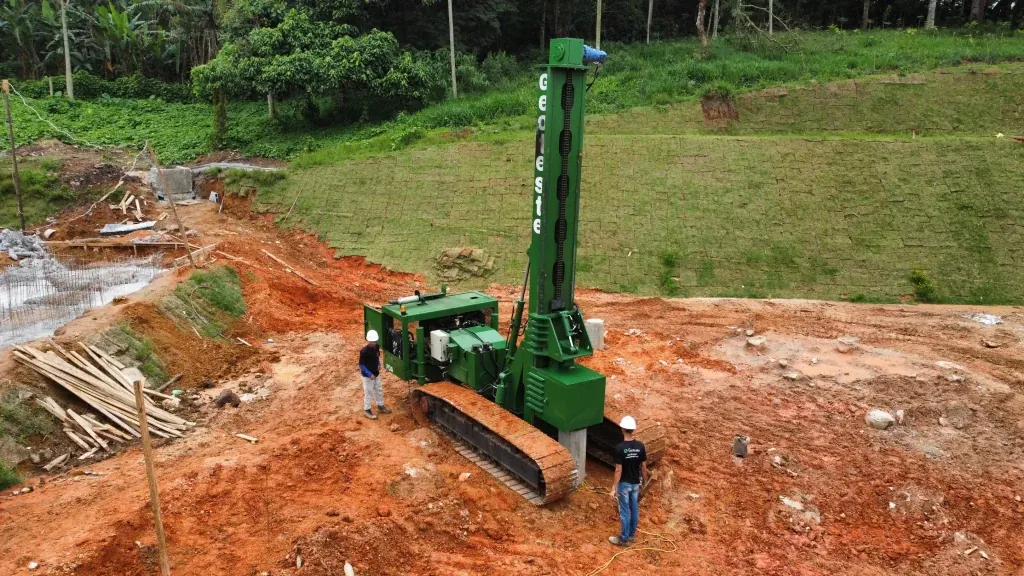
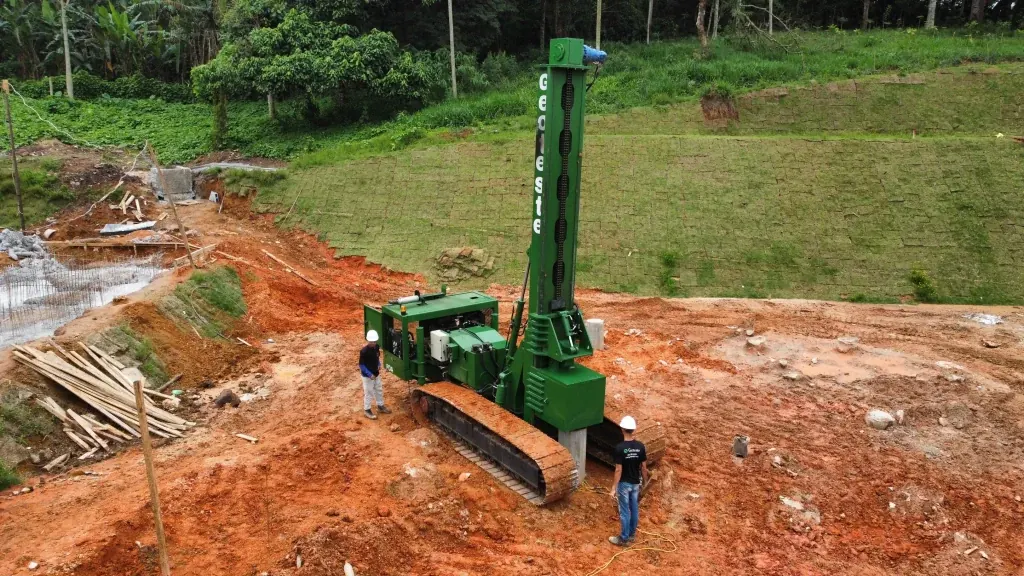
- Self-Propelled, Remotely Controlled Impact Systems, with Recorded and Digitally Monitored Test Parameters: The methodologies for performing dynamic load tests are also taking a new direction with the introduction, by Geoteste, of equipment called Hammers. “These high-technology driving equipment, conceived and manufactured by Geoteste, are operated by remote control, and the test parameters are digitally monitored by sensors and a computer specially developed for this purpose. There is nothing more innovative in this segment worldwide.” Gontijo points out. With these impact systems, there is a simplification in the execution process of the dynamic load test, dispensing with auxiliary cranes, increasing execution safety and speed, in addition to guaranteeing the reliability of the test parameters, which can be audited.
Conclusion
The evolution of load tests in foundations represents a significant milestone in modern geotechnical engineering, ensuring the safety and efficiency of construction projects. Geoteste, with its commitment to innovation and continuous improvement, stands out as a pioneer in this field, leading transformations that are redefining industry standards. Investments in innovative technologies, such as temporary anchoring systems and self-propelled impact equipment, demonstrate a step forward towards more economical, precise, and safe methods.
These advancements not only improve the quality and safety of foundations but also contribute to the sustainability and optimization of resources in civil engineering projects.
It is evident that Geoteste is at the forefront of geotechnical engineering, driving the sector towards a more efficient and safe future. Through its innovations, the company not only ensures regulatory compliance and cost reduction but also solidifies its position as a market leader, embracing a future where technology and engineering go hand in hand to build a more robust and reliable world.